

















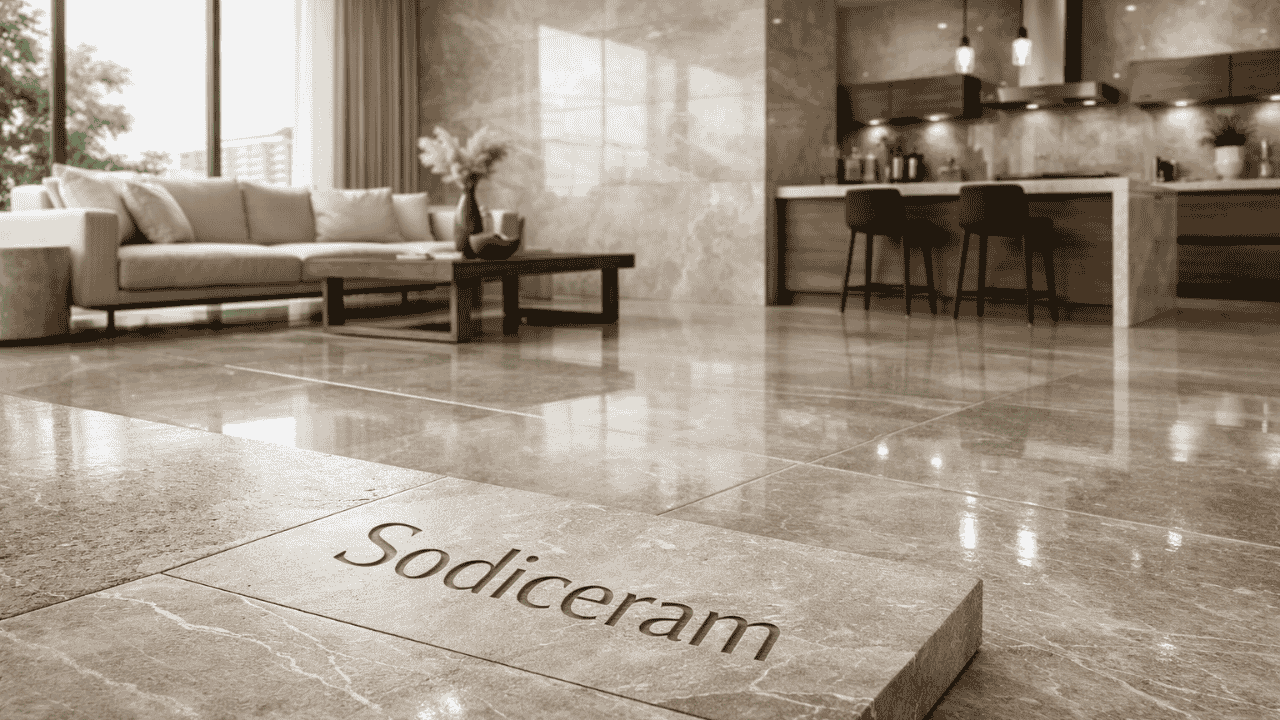
Sodiceram is quickly gaining attention as a material that blends durability, design flexibility, and advanced engineering into one category. It is not just another ceramic product but a refined version of traditional ceramics enhanced through chemical and structural improvements. As industries move toward materials that offer both performance and aesthetics, Sodiceram stands out as a practical solution. From homes to industrial settings, its usage continues to expand due to its reliability and versatility. This article breaks down everything you need to know about Sodiceram, from its composition to its growing role in modern construction and design.
Understanding the concept behind Sodiceram
Sodiceram refers to a type of engineered ceramic material that incorporates sodium-based compounds during production. These compounds play a key role in improving the overall structure of the ceramic, making it stronger and less prone to cracking. Unlike traditional ceramics that rely mainly on clay and natural minerals, Sodiceram undergoes a more controlled manufacturing process. This process enhances bonding at a molecular level, resulting in a denser and more stable material. Because of this, Sodiceram performs better under stress and extreme conditions.
The concept behind Sodiceram is rooted in material science rather than simple craftsmanship. Manufacturers focus on optimizing chemical reactions during the firing stage to achieve better results. Sodium acts as a flux, which reduces the melting point and improves fusion between particles. This leads to fewer imperfections and a more uniform surface structure. As a result, Sodiceram products are not only stronger but also more consistent in quality.
How Sodiceram differs from traditional ceramic materials
Traditional ceramics have been used for centuries in construction and household items. While they are reliable, they often come with limitations such as brittleness and higher water absorption. Sodiceram addresses these issues by refining the internal structure of the material. The addition of sodium compounds allows for tighter particle bonding, reducing weak points within the ceramic.
Another key difference lies in durability and resistance. Sodiceram can withstand higher levels of impact and temperature changes compared to conventional ceramic tiles. It also shows improved resistance to chemicals, making it suitable for environments where exposure to harsh substances is common. These advantages make Sodiceram a more advanced option for both residential and industrial applications.
The science behind Sodiceram manufacturing
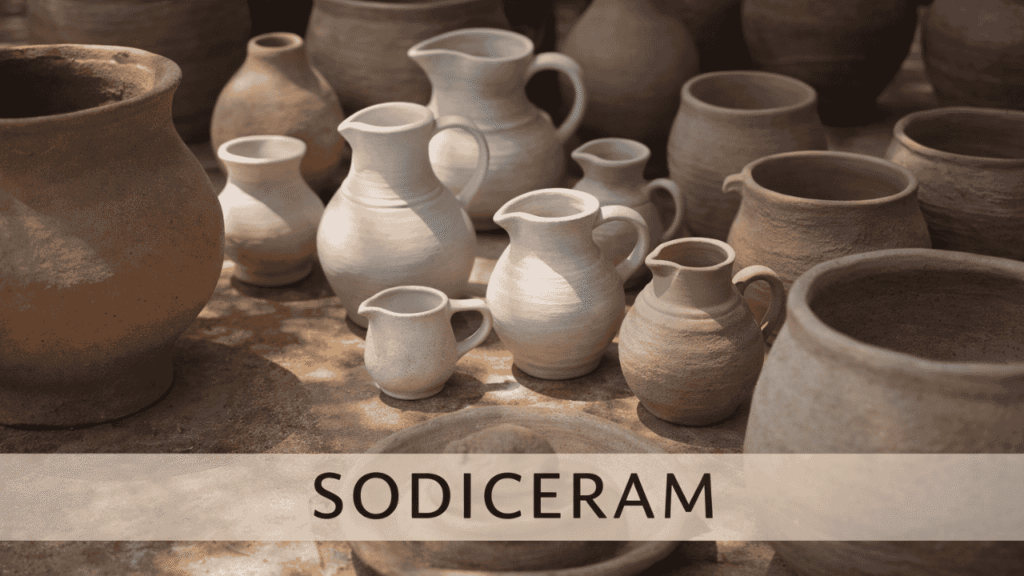
The production of Sodiceram involves a carefully controlled process that focuses on precision and consistency. Raw materials are selected based on their chemical composition and compatibility with sodium additives. These materials are then mixed and processed to create a uniform base before firing. The firing stage is where the transformation truly happens, as high temperatures activate chemical reactions that strengthen the material.
During firing, sodium compounds act as bonding agents that help particles fuse together more effectively. This reduces the formation of pores and cracks within the material. The result is a dense ceramic with improved structural integrity. This scientific approach to manufacturing is what sets Sodiceram apart from conventional ceramics that rely more on traditional methods.
Key features that make Sodiceram stand out
Sodiceram offers a range of features that make it appealing across different industries. These features are not just surface-level improvements but are built into the material itself. This ensures long-term performance and reliability.
- High durability with reduced risk of cracking
- Low water absorption due to dense structure
- Strong resistance to heat and temperature changes
- Ability to withstand chemical exposure
- Wide variety of design finishes and textures
Each of these features contributes to the growing popularity of Sodiceram. Whether used in homes or industrial setups, the material delivers consistent performance. It is this combination of strength and versatility that makes it a preferred choice for modern applications.
Applications of Sodiceram in residential spaces
In residential settings, Sodiceram is commonly used for flooring, wall tiles, and kitchen surfaces. Homeowners prefer it because it combines visual appeal with long-lasting durability. Unlike traditional tiles that may crack or fade over time, Sodiceram maintains its appearance even after years of use. This makes it a cost-effective option in the long run.
Bathrooms and kitchens are areas where Sodiceram truly shines. Its low porosity prevents water absorption, reducing the chances of mold and damage. It also handles temperature changes well, making it suitable for areas exposed to heat and moisture. As a result, Sodiceram has become a popular choice for modern home interiors.
Use of Sodiceram in commercial environments
Commercial spaces require materials that can handle heavy foot traffic and constant use. Sodiceram meets these demands with ease due to its strong and durable nature. It is often used in offices, shopping centers, and public buildings where performance is critical. The material’s resistance to wear ensures that it remains intact even in high-traffic areas.
Another advantage of Sodiceram in commercial settings is its design flexibility. Businesses can choose from a wide range of finishes to match their branding and interior themes. This allows for both functionality and aesthetic appeal in one material. Over time, this combination helps reduce maintenance costs and improves the overall look of the space.
Industrial and advanced applications of Sodiceram
Beyond homes and commercial buildings, Sodiceram is also used in industrial applications. Its ability to withstand extreme conditions makes it suitable for specialized environments. Industries that require heat-resistant and chemically stable materials often turn to Sodiceram for solutions. This includes sectors like manufacturing, engineering, and electronics.
In some cases, Sodiceram is even used in advanced technologies where precision and durability are essential. Its stable structure allows it to perform reliably under pressure and high temperatures. This makes it a valuable material in areas where failure is not an option. The versatility of Sodiceram continues to expand as new applications are discovered.
Design flexibility and aesthetic possibilities
One of the most appealing aspects of Sodiceram is its ability to adapt to different design needs. Manufacturers can produce it in a variety of finishes, colors, and textures. This allows it to mimic natural materials like wood and stone while offering better performance. Designers and architects often choose Sodiceram for its ability to combine beauty with practicality.
The surface of Sodiceram can be customized to suit different styles, from modern minimalism to classic interiors. This makes it suitable for a wide range of projects, whether residential or commercial. The flexibility in design ensures that Sodiceram remains relevant in changing design trends. It provides a balance between aesthetics and functionality that is hard to achieve with traditional materials.
Environmental impact and sustainability factors
Sustainability is becoming a major factor in material selection, and Sodiceram offers several advantages in this area. Its production process can be optimized to reduce energy consumption compared to traditional ceramics. Additionally, its durability means that it does not need to be replaced as often, reducing waste over time. This makes it a more sustainable option for long-term use.
Another benefit is the efficient use of raw materials during manufacturing. The controlled process minimizes defects and material loss, making production more efficient. As a result, Sodiceram supports efforts to reduce environmental impact in construction and design. It aligns with the growing demand for eco-conscious building materials.
Advantages and limitations of Sodiceram
While Sodiceram offers many benefits, it is important to consider both its strengths and limitations. This helps users make informed decisions based on their specific needs. Understanding these factors ensures that Sodiceram is used in the right context.
Advantages include:
- Long lifespan with minimal maintenance
- Strong resistance to environmental factors
- Versatile design options for different spaces
- Suitable for both residential and industrial use
Limitations include:
- Higher initial cost compared to basic ceramic
- Requires proper installation for best performance
- Limited awareness in some markets
Despite these limitations, the overall value of Sodiceram remains high. Its benefits often outweigh the drawbacks, especially for long-term projects.
Why Sodiceram is gaining popularity
The rise of Sodiceram can be linked to changing demands in construction and design. People are looking for materials that offer both durability and visual appeal. Sodiceram meets these expectations by combining advanced engineering with modern design capabilities. This makes it a strong competitor in the market.
Another reason for its growing popularity is its adaptability. Sodiceram can be used in a wide range of applications, making it a versatile choice for different industries. As more people become aware of its benefits, its adoption is expected to increase. This trend highlights the shift toward smarter and more efficient materials.
Tips for choosing Sodiceram products
Selecting the right Sodiceram product requires careful consideration of several factors. These factors ensure that the material meets the specific needs of the project. Making the right choice can significantly impact the overall performance and appearance of the space.
- Consider the intended use and level of traffic
- Check the finish and texture for design compatibility
- Ensure proper installation by professionals
- Compare quality and specifications before purchase
Taking these steps helps maximize the benefits of Sodiceram. It ensures that the material performs as expected and delivers long-term value.
Maintenance and care of Sodiceram surfaces
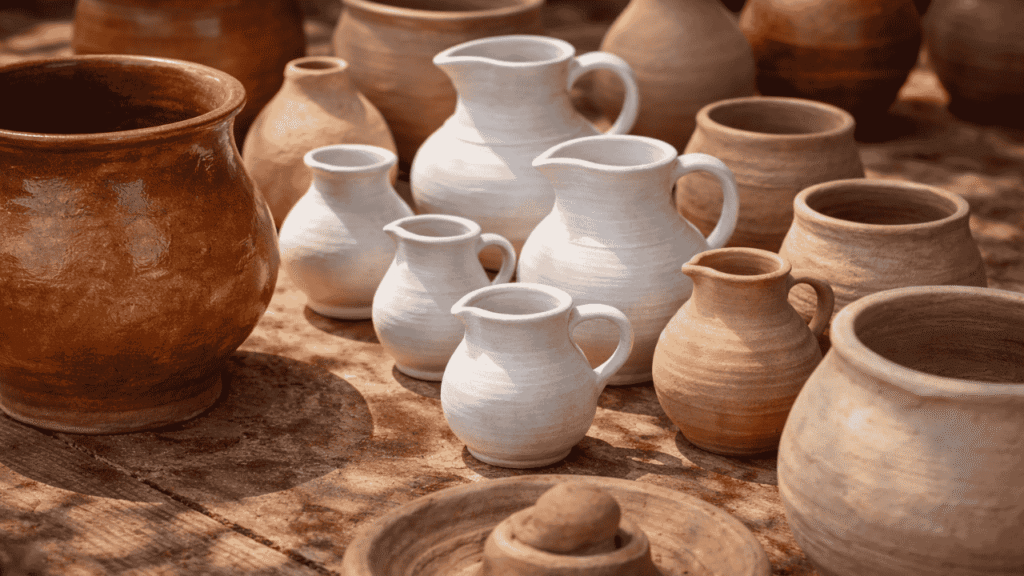
Maintaining Sodiceram is relatively simple compared to other materials. Its low porosity means that it does not absorb stains easily, making cleaning straightforward. Regular sweeping and occasional mopping are usually enough to keep it in good condition. This makes it a practical choice for busy environments.
In addition to basic cleaning, it is important to avoid using harsh chemicals that could damage the surface finish. Using mild cleaning solutions helps preserve its appearance over time. Proper care ensures that Sodiceram retains its quality and continues to perform well for years.
Future potential of Sodiceram in modern industries
The future of Sodiceram looks promising as industries continue to evolve. Its combination of strength, versatility, and sustainability positions it as a key material for future developments. As technology advances, new variations of Sodiceram may emerge with even better properties. This opens up opportunities for its use in more specialized applications.
Research and innovation are likely to play a major role in expanding the capabilities of Sodiceram. As more industries recognize its potential, its demand is expected to grow. This makes it an important material to watch in the coming years.
Conclusion
Sodiceram represents a shift in how ceramic materials are designed and used. It goes beyond traditional ceramics by offering improved strength, durability, and design flexibility. From residential interiors to industrial applications, Sodiceram proves its value in a wide range of settings. Its ability to combine performance with aesthetics makes it a practical choice for modern needs. As awareness grows, Sodiceram is likely to become a standard material in construction and design.
FAQs
- What is Sodiceram used for?
Sodiceram is used for flooring, wall tiles, kitchen surfaces, and even industrial applications where durability and resistance are important. - Is Sodiceram better than traditional ceramic?
Sodiceram offers improved strength, lower porosity, and better resistance to heat and chemicals compared to traditional ceramics. - Is Sodiceram suitable for bathrooms and kitchens?
Yes, its low water absorption and resistance to moisture make it ideal for bathrooms and kitchens. - Does Sodiceram require special maintenance?
No, it is easy to maintain with regular cleaning and does not require complex care routines. - Why is Sodiceram becoming popular?
Its combination of durability, design flexibility, and sustainability makes it a preferred choice in modern construction and design.