The world of advanced materials continues to evolve as industries search for stronger, more durable, and environmentally responsible solutions. Among the emerging concepts gaining attention in recent discussions is Sodiceram, a material that has been associated with modern ceramic innovation and high-performance applications. Although the topic is relatively new and still developing, interest in Sodiceram has increased due to claims regarding its durability, thermal resistance, versatility, and potential sustainability benefits.
As construction, architecture, interior design, and industrial manufacturing move toward materials that combine performance with aesthetics, Sodiceram has become a subject of growing curiosity. Many discussions surrounding this material focus on its ability to meet modern demands while maintaining the traditional advantages associated with ceramic products. Understanding its properties, applications, and manufacturing methods can provide valuable insight into why it is attracting attention.
Understanding the Concept of Sodiceram
Sodiceram is often described as an advanced ceramic material that incorporates sodium-based compounds during its production process. The concept is generally associated with enhancing the characteristics of conventional ceramics while addressing some of their limitations. Through specialized manufacturing techniques, the material is believed to achieve improved performance in demanding environments.
Unlike traditional ceramic products that primarily focus on hardness and appearance, Sodiceram is frequently presented as a material that balances durability, thermal stability, and design flexibility. This combination makes it relevant for industries seeking both functional and decorative solutions. As a result, architects, designers, and manufacturers have shown increasing interest in exploring its possibilities.
The growing attention surrounding Sodiceram is largely connected to modern construction trends that prioritize longevity, efficiency, and sustainability. Materials capable of meeting these requirements often receive significant industry attention. Consequently, discussions about Sodiceram continue to expand across different sectors.
The Development and Growing Interest in Sodiceram
The interest in advanced ceramic technologies has been increasing for decades. Industries ranging from aerospace to architecture have continuously invested in materials that can withstand extreme conditions while maintaining structural integrity. Within this broader movement, Sodiceram has emerged as a topic associated with innovation in ceramic engineering.
As modern construction projects become more ambitious, the demand for reliable materials continues to grow. Developers and engineers seek products capable of handling temperature fluctuations, moisture exposure, and physical stress. Sodiceram is often discussed as a material that could potentially address these challenges.
The rise of sustainable construction practices has also contributed to interest in ceramic-based innovations. Many material developers are exploring methods that reduce waste and improve energy efficiency. This trend has encouraged greater attention toward concepts such as Sodiceram and its potential role in future building projects.
How Sodiceram Is Manufactured
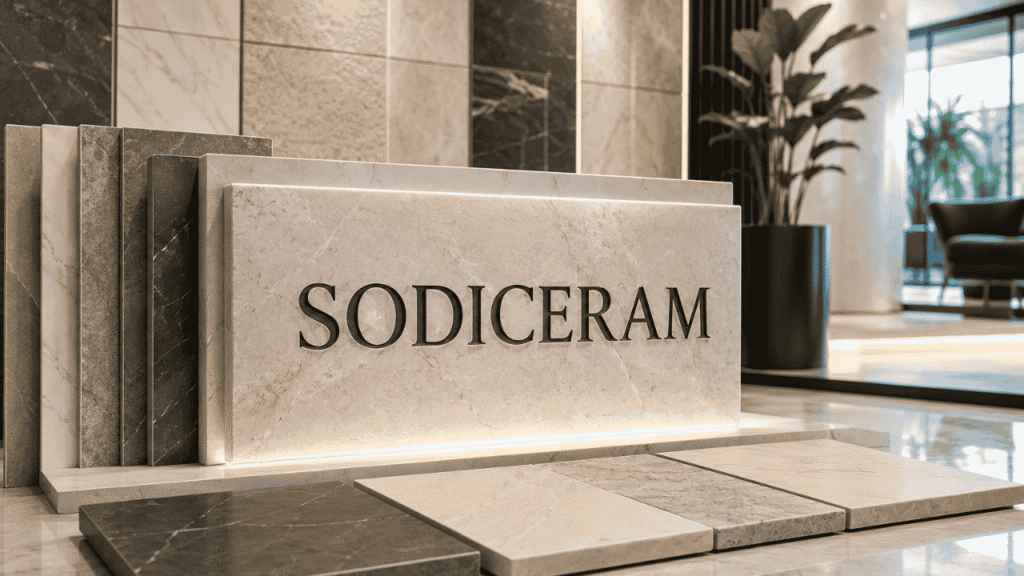
The manufacturing process associated with Sodiceram generally involves carefully selected raw materials combined with ceramic production techniques. Although exact formulations may vary, the process typically focuses on creating a dense and durable final product capable of meeting high-performance standards.
Raw materials are first processed to achieve a consistent composition. The materials are then blended and shaped according to the intended application. Precision at this stage is important because it directly influences the final characteristics of the product.
After shaping, the material undergoes controlled heating in specialized kilns. High temperatures help strengthen the ceramic structure while promoting the desired physical and chemical properties. This stage plays a critical role in determining the durability and performance of Sodiceram.
Quality control procedures are generally conducted throughout the production cycle. Manufacturers often test materials for strength, thermal resistance, dimensional accuracy, and durability. These evaluations help ensure that the finished product meets required specifications.
Key Stages in Production
The manufacturing journey typically includes the following stages:
- Selection of raw materials
- Material blending and preparation
- Shaping and molding processes
- High-temperature firing
- Cooling and stabilization
- Surface finishing and inspection
- Quality testing and certification
Each stage contributes to the final performance characteristics associated with Sodiceram.
Physical Properties That Define Sodiceram
One reason Sodiceram attracts attention is its reported combination of physical properties. These characteristics are often highlighted when discussing its potential advantages over conventional materials.
Durability is frequently mentioned as one of its primary strengths. Ceramic materials are already known for their resistance to wear, and advanced formulations aim to enhance this capability further. This makes the material suitable for environments where long-term performance is essential.
Thermal stability is another significant characteristic. Materials exposed to varying temperatures must maintain their structural integrity without cracking or deforming. Sodiceram is often described as capable of performing effectively under such conditions.
Resistance to moisture and environmental factors is also commonly discussed. In many applications, exposure to humidity, rain, or changing weather conditions can affect material performance. The ability to withstand these conditions can contribute to a longer service life.
Why Durability Matters in Modern Materials
Durability has become one of the most important considerations in modern construction and manufacturing. Frequent repairs and replacements increase costs and create operational disruptions. Therefore, industries increasingly prioritize materials that deliver consistent performance over extended periods.
Sodiceram is often presented as a material capable of meeting these expectations. Its reported resistance to wear and environmental stress makes it appealing for projects requiring reliability. Long-lasting materials also support sustainability goals by reducing the need for frequent replacement.
Durable materials contribute to lower maintenance requirements. Property owners and facility managers often seek solutions that minimize ongoing expenses. This practical advantage is one reason why advanced ceramic technologies continue to gain attention.
Thermal Resistance and Heat Management
Heat resistance is a critical factor in many industrial and architectural applications. Materials exposed to high temperatures must maintain stability while protecting surrounding structures. Ceramic products have traditionally performed well in this area, and Sodiceram is often associated with further improvements.
In industrial settings, equipment components may experience continuous exposure to heat. Materials that can withstand these conditions help maintain operational efficiency and reduce the risk of failure. This makes thermal performance a valuable characteristic.
Architectural applications also benefit from materials capable of handling temperature changes. Exterior surfaces, roofing systems, and decorative elements often face direct sunlight and seasonal variations. Materials with strong thermal resistance contribute to long-term reliability.
Architectural Applications of Sodiceram
Architecture has always relied on materials that balance functionality with visual appeal. Modern projects demand solutions capable of supporting innovative designs without sacrificing performance. This is one area where Sodiceram is frequently discussed.
Architects often look for materials that can create distinctive appearances while maintaining structural integrity. Ceramic-based products offer a wide range of design possibilities, making them attractive for contemporary construction. Sodiceram is often associated with this combination of beauty and practicality.
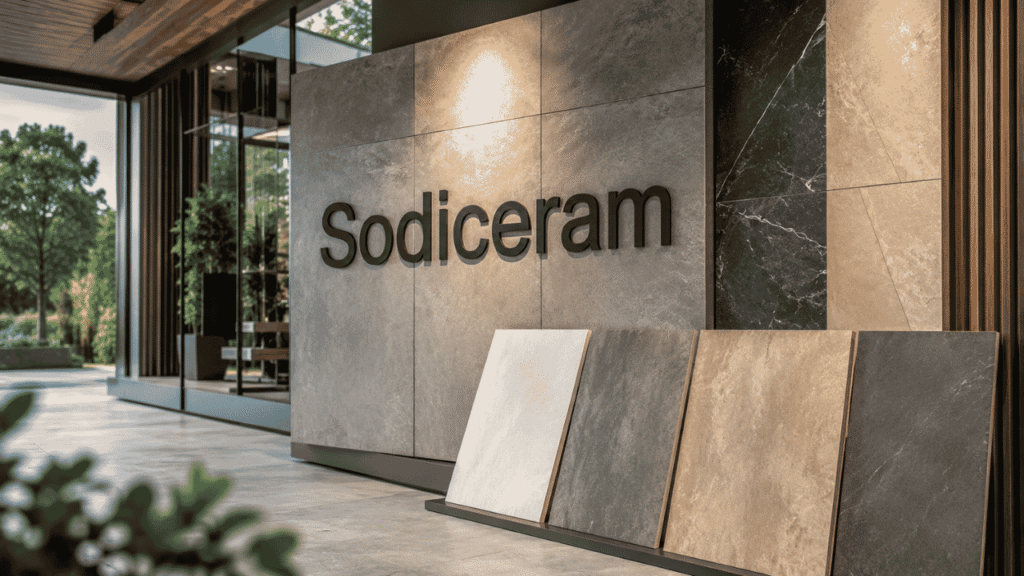
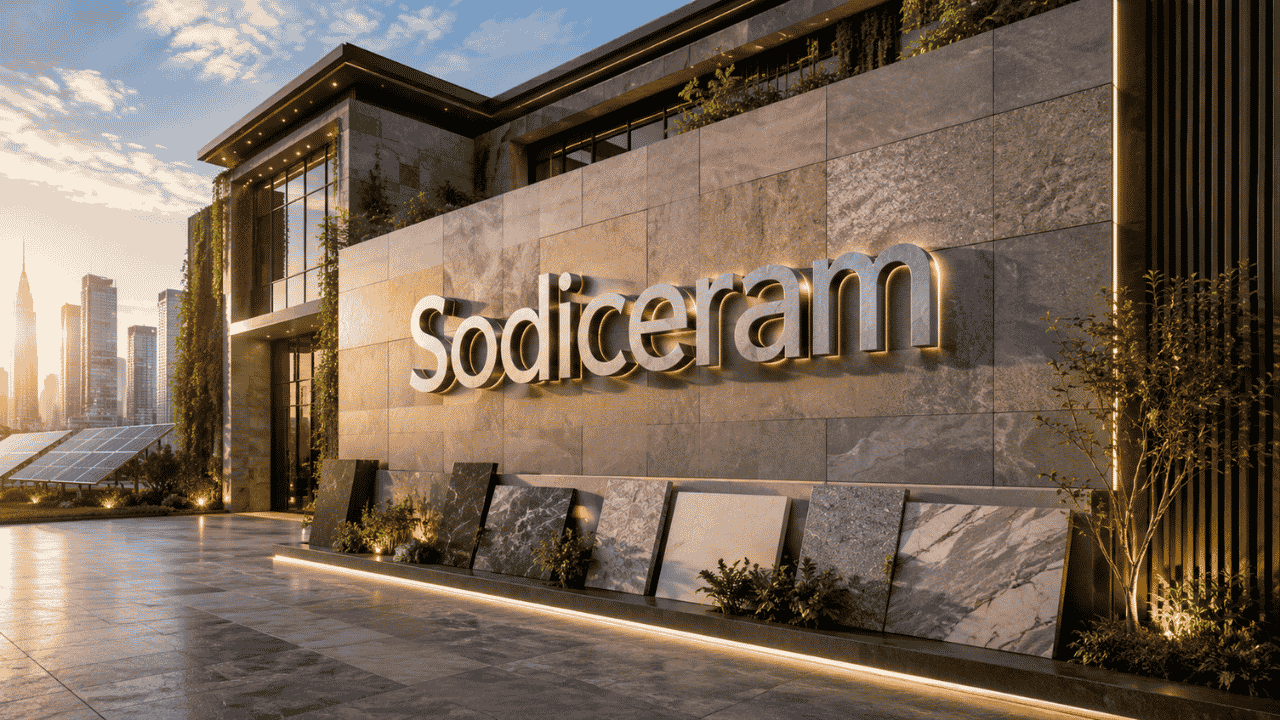
Building facades, decorative panels, and exterior cladding systems are among the applications frequently linked to advanced ceramic materials. These uses require materials capable of withstanding environmental exposure while preserving their appearance over time.
Common Architectural Uses
Potential architectural applications include:
- Exterior wall cladding
- Decorative facade systems
- Roofing components
- Public infrastructure projects
- Commercial building surfaces
- Urban design installations
These applications demonstrate the versatility often associated with Sodiceram.
Sodiceram in Interior Design
Interior design increasingly focuses on combining aesthetics with functionality. Homeowners, businesses, and hospitality operators seek materials that create attractive environments while remaining durable and easy to maintain.
Sodiceram is often mentioned in discussions about luxury interiors because ceramic materials can deliver elegant finishes and long-lasting performance. Designers appreciate materials that retain their appearance even in high-traffic areas. This helps maintain visual appeal over time.
Kitchen surfaces, decorative wall features, flooring solutions, and custom installations represent possible applications. The ability to support creative designs while offering durability contributes to the growing interest in advanced ceramic materials.
Interior spaces often experience constant use and exposure to moisture, spills, and cleaning products. Materials capable of handling these conditions can provide long-term value for property owners.
Industrial Applications of Sodiceram
Industrial environments place demanding requirements on materials. Equipment components, processing facilities, and manufacturing systems often operate under challenging conditions that include heat, pressure, abrasion, and chemical exposure.
Sodiceram is frequently discussed as a potential solution for applications requiring high durability and thermal stability. Advanced ceramic materials have historically been used in industrial settings because of their ability to withstand harsh environments.
Industrial adoption depends on performance, reliability, and cost-effectiveness. Materials that reduce downtime and maintenance expenses often gain attention from manufacturers. This practical value supports continued interest in ceramic innovations.
The adaptability of Sodiceram may allow it to serve multiple industrial sectors, including manufacturing, energy production, infrastructure development, and specialized engineering projects.
Comparing Sodiceram with Traditional Ceramics
Traditional ceramics have served industries and households for centuries. They offer durability, hardness, and resistance to environmental factors. However, evolving requirements have encouraged the development of enhanced materials.
Sodiceram is often presented as an advancement over conventional ceramic products. Discussions surrounding the material frequently focus on improved thermal performance, greater durability, and broader design possibilities.
While traditional ceramics remain effective for many purposes, advanced formulations seek to address modern challenges. This includes increasing performance expectations in architecture, industry, and design.
The comparison between Sodiceram and conventional ceramics often centers on the following areas:
- Heat resistance
- Structural strength
- Longevity
- Design flexibility
- Maintenance requirements
- Environmental performance
These factors help explain why interest in advanced ceramic technologies continues to grow.
Sustainability and Environmental Considerations
Environmental responsibility has become a major priority across industries. Governments, businesses, and consumers increasingly seek materials that support sustainable development goals. This shift has influenced material research and innovation efforts worldwide.
Sodiceram is often associated with discussions about sustainability because durable materials can reduce waste generated by frequent replacement cycles. Long-lasting products contribute to resource efficiency and support environmentally conscious construction practices.
Manufacturing efficiency is another important consideration. Production methods that reduce energy consumption and material waste can improve environmental performance. Although specific processes may vary, sustainability remains a common theme in discussions about advanced ceramic materials.
Buildings constructed with durable materials may also experience reduced maintenance requirements. This can contribute to lower resource consumption throughout the structure’s lifespan.
Design Flexibility and Aesthetic Potential
Modern design trends prioritize creativity and customization. Architects and designers increasingly seek materials capable of supporting unique visual concepts while delivering reliable performance. Ceramic materials have long been valued for their adaptability, and Sodiceram is often discussed within this context.
Aesthetic versatility allows designers to experiment with textures, finishes, and forms. This flexibility supports both contemporary and traditional design styles. As a result, advanced ceramic materials can appeal to a wide range of projects.
Visual appeal remains an important factor in residential, commercial, and public spaces. Materials that combine attractive appearances with practical advantages often achieve broader market acceptance.
The potential for customization makes Sodiceram relevant to projects that prioritize distinctive architectural and interior design solutions.
Advantages Associated with Sodiceram
Several benefits are commonly mentioned when discussing Sodiceram. These advantages contribute to its growing visibility among industry professionals and design communities.
Key advantages often include:
- Strong durability
- High thermal resistance
- Resistance to environmental stress
- Long service life
- Design versatility
- Potential sustainability benefits
- Low maintenance requirements
These characteristics align with many of the priorities shaping modern construction and manufacturing decisions. As industries continue seeking reliable materials, such benefits may support ongoing interest in advanced ceramic solutions.
Challenges and Limitations to Consider
Despite the positive attention surrounding Sodiceram, it is important to recognize that every material has limitations. Performance outcomes depend on manufacturing quality, application requirements, and environmental conditions.
Cost can be a consideration when adopting advanced materials. High-performance production processes may increase manufacturing expenses compared to conventional alternatives. Budget constraints often influence material selection decisions.
Availability may also present challenges during early stages of market development. New materials frequently require time to establish supply chains and industry acceptance. This process can affect accessibility and adoption rates.
Technical validation remains another important factor. Industries often require extensive testing and certification before incorporating new materials into critical applications. Continued research and evaluation help build confidence in emerging technologies.
The Future of Sodiceram and Ceramic Innovation
The future of ceramic innovation appears closely connected to broader trends in sustainability, performance engineering, and architectural design. Industries continue investing in materials capable of addressing evolving challenges while supporting long-term efficiency goals.
Sodiceram represents one example of how advanced ceramic concepts are attracting attention within these discussions. As research progresses, materials with enhanced thermal, structural, and environmental properties may play increasingly important roles in construction and manufacturing.
Technological advancements are likely to influence future production methods. Improved processing techniques could enhance material performance while reducing manufacturing costs. Such developments may expand potential applications.
Growing interest in resilient infrastructure and sustainable buildings may further support exploration of advanced ceramic materials. This trend positions Sodiceram as a topic worth monitoring as the industry evolves.
Market Trends Influencing Advanced Ceramic Materials
Several market trends are shaping the future direction of advanced materials. These trends help explain why ceramic innovations continue receiving attention across multiple industries.
Important trends include:
- Sustainable construction practices
- Demand for durable materials
- Growth in smart infrastructure
- Expansion of modern architectural design
- Increased focus on energy efficiency
- Investment in advanced manufacturing technologies
These developments create opportunities for materials that combine performance, durability, and design flexibility. Discussions surrounding Sodiceram often align with these broader industry priorities.
Conclusion
Sodiceram has emerged as a topic of growing interest within discussions about advanced ceramic materials. It is commonly associated with durability, thermal resistance, design versatility, and potential sustainability advantages. Although the concept remains relatively new compared to traditional ceramic products, its reported characteristics align with many of the needs shaping modern construction, architecture, interior design, and industrial manufacturing.
The appeal of Sodiceram lies in its ability to combine practical performance with aesthetic flexibility. From architectural facades and interior surfaces to industrial applications, the material is frequently presented as a solution capable of meeting demanding requirements. Its durability and resistance to environmental stress make it particularly relevant for long-term projects.
As industries continue searching for materials that support efficiency, sustainability, and innovation, interest in Sodiceram is likely to continue. Future research, testing, and market adoption will play an important role in determining its long-term impact. Whether used in design-focused environments or performance-driven applications, Sodiceram remains an intriguing subject within the evolving landscape of advanced materials.
Frequently Asked Questions
1. What is Sodiceram?
Sodiceram is commonly described as an advanced ceramic material associated with enhanced durability, thermal resistance, and design flexibility. It is often discussed as a modern development within ceramic technology.
2. What industries can use Sodiceram?
Sodiceram is frequently linked to architecture, interior design, construction, infrastructure projects, and industrial manufacturing applications where durability and heat resistance are important.
3. How is Sodiceram different from traditional ceramics?
Sodiceram is often presented as offering improved thermal stability, greater durability, and increased design versatility compared to conventional ceramic materials.
4. Is Sodiceram considered environmentally friendly?
Many discussions about Sodiceram highlight its potential sustainability benefits, particularly due to its durability and the possibility of reducing replacement-related waste.
5. What are the main benefits of Sodiceram?
The commonly cited benefits of Sodiceram include durability, thermal resistance, environmental resilience, long service life, low maintenance requirements, and design flexibility.