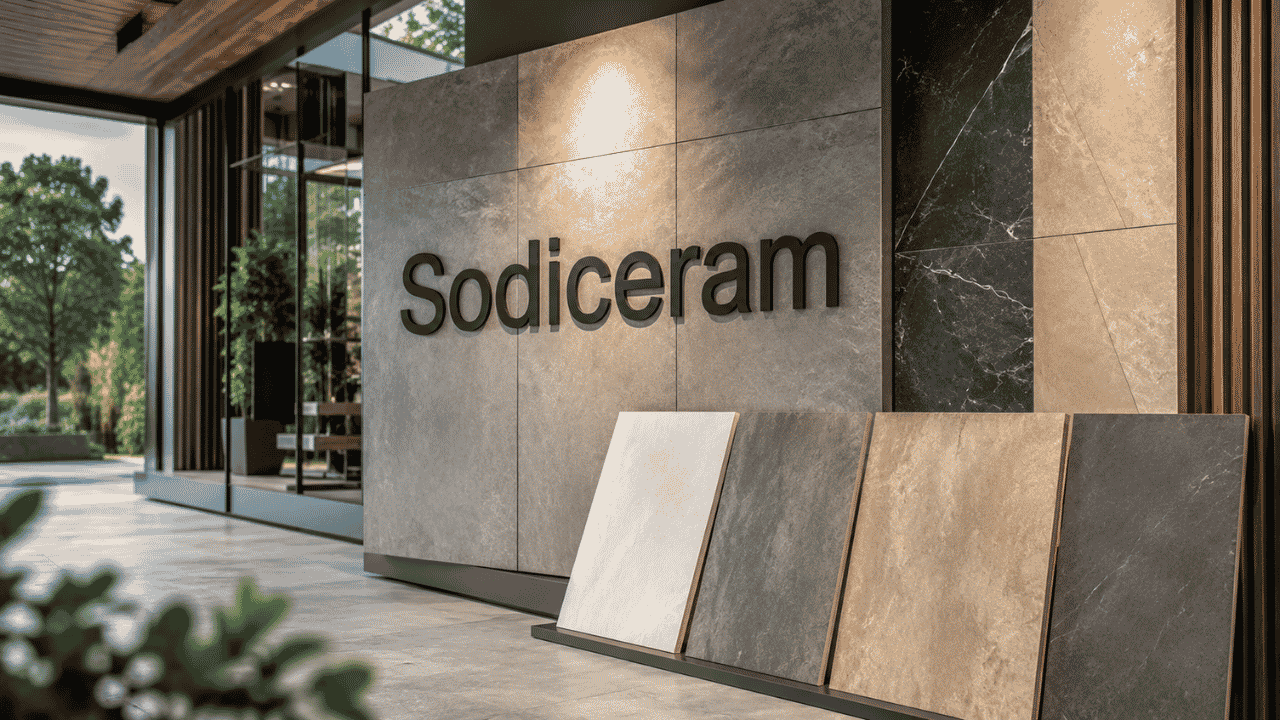
Sodiceram is a term that has started appearing in online discussions about ceramics, modern materials, construction, design, and industrial applications. The name is used in more than one context, which can make it difficult for readers to understand exactly what Sodiceram refers to. The current Sodiceram website presents it in connection with advanced ceramic materials and highlights qualities such as durability, resistance, design flexibility, and potential sustainability benefits. At the same time, other online sources associate the name with a French ceramic business, so understanding the context is essential before accepting every claim about the term.
What Is Sodiceram?
Sodiceram is presented online as a ceramic-related concept focused on the development and use of durable materials for modern applications. Ceramics are widely valued because they can provide hardness, resistance to heat, chemical stability, and long service life when they are produced for the right application. The information published on the Sodiceram website connects the name with areas including architecture, construction, interior design, infrastructure, and manufacturing. Because the term is not consistently used across every online source, readers should distinguish between claims made about the specific Sodiceram concept and established characteristics of advanced ceramics as a broader material category.
Why the Name Sodiceram Can Be Confusing
One reason the subject requires careful explanation is that Sodiceram does not appear to have a single universally recognized meaning across the web. The current website discusses Sodiceram as an advanced ceramic material concept, while other search results connect the name with a ceramic company or business associated with Reims, France. These references may concern different entities rather than different descriptions of exactly the same product. For anyone researching Sodiceram, checking the source and context behind each claim is therefore more useful than assuming every page is discussing one identical material or organization.
How Sodiceram Relates to Modern Ceramics
Modern ceramics are no longer limited to traditional household plates, cups, tiles, and decorative objects. Ceramic engineering has produced materials designed for specific combinations of strength, temperature resistance, chemical resistance, electrical behavior, and surface performance. Depending on their composition and manufacturing process, advanced ceramics can be designed for demanding environments where ordinary materials may not provide the required performance. Sodiceram is presented within this broader movement toward more specialized ceramic solutions, although detailed technical specifications should be confirmed from reliable manufacturer documentation or independent testing before making precise performance comparisons.
Key Characteristics Associated With Sodiceram
The information available from the Sodiceram website emphasizes several qualities that explain why advanced ceramic materials can be attractive for architectural and industrial uses. Durability is particularly important because a material that remains functional for a longer period can reduce the need for replacement and maintenance. Resistance to environmental conditions is another relevant consideration, especially for materials used on buildings, infrastructure, and exposed surfaces. The site also presents design flexibility and sustainability as part of the wider value proposition.
Some of the characteristics associated with Sodiceram include:
- Durability for long-term applications
- Resistance to demanding environmental conditions
- Thermal resistance
- Design flexibility
- Potentially lower maintenance requirements
- Suitability for architectural and construction-related uses
- Potential sustainability advantages through longer service life
These characteristics should not be treated as a guarantee that every Sodiceram product will perform identically in every environment. Ceramic performance depends heavily on composition, manufacturing quality, thickness, surface treatment, installation method, and the conditions in which the finished material is used. A ceramic designed for an interior wall, for example, can have very different requirements from one intended for an industrial environment. This is why product-specific technical data is more useful than relying only on broad descriptions of Sodiceram.
Where Sodiceram May Be Used
The applications discussed around Sodiceram cover several areas where durable ceramic materials can provide practical advantages. Architecture and construction are particularly relevant because ceramic surfaces can combine functional performance with visual appeal. Interior design can also benefit from ceramic materials because designers often need surfaces that are durable while still offering different shapes, textures, colors, and finishes. The Sodiceram website also connects the concept with infrastructure and industrial manufacturing, suggesting that the intended applications extend beyond decorative products.
Potential application areas include:
- Architectural surfaces
- Building and construction projects
- Interior design
- Infrastructure components
- Industrial manufacturing
- Decorative and functional surfaces
- Applications requiring durable ceramic materials
The suitability of Sodiceram for a particular project would depend on the technical requirements of that project. Factors such as temperature, moisture, mechanical stress, chemicals, impact, installation conditions, and expected lifespan all need to be considered. A material can have excellent properties in one setting but be unsuitable for another if its specifications do not match the environment. For this reason, professional material selection should be based on testing and technical documentation rather than the name of the material alone.
Sodiceram in Construction and Architecture
Construction is one of the areas where ceramic innovation can have a visible impact. Buildings require materials that can withstand daily use, changing weather conditions, cleaning, moisture, and temperature changes without quickly losing their appearance or function. Ceramic materials are already common in floors, walls, façades, bathrooms, kitchens, and other architectural applications because of their combination of durability and design possibilities. Sodiceram is positioned within this broader category of material development, with the current website highlighting architectural and construction applications.
For architects and designers, appearance is only one part of material selection. The material also needs to fit the building’s maintenance requirements, expected lifespan, installation system, and environmental conditions. A durable ceramic surface may help reduce replacement work over time, particularly when it is correctly selected and installed. However, claims about specific lifespan, strength, or resistance should always be checked against technical specifications for the actual product being considered.
How Sodiceram Could Support Sustainable Design
Sustainability is another reason ceramic materials continue to receive attention in construction and design. A long-lasting material can potentially reduce the frequency of replacement, which may lower the amount of material required over the lifetime of a building or product. The Sodiceram website connects sustainability with durability, reduced replacement needs, and manufacturing considerations. These ideas are reasonable areas for discussion, but a complete environmental assessment would require information about raw materials, manufacturing energy, transportation, installation, maintenance, and end-of-life disposal.
A sustainable assessment of Sodiceram would therefore need to consider:
- How the material is manufactured
- The energy required during production
- The expected service life
- Waste generated during manufacturing
- Transportation requirements
- Maintenance and replacement needs
- Possibilities for reuse or recycling
Long service life alone does not automatically make a material environmentally friendly. Manufacturing methods and energy consumption can have a significant effect on the overall environmental footprint. This is why lifecycle data is more useful than simply describing a material as sustainable. Readers researching Sodiceram should look for measurable environmental information if sustainability is a major factor in their purchasing or design decision.
Sodiceram Compared With Traditional Ceramic Materials
The difference between Sodiceram and traditional ceramics should be considered carefully because “traditional ceramic” covers a very large group of materials. Traditional ceramics can include common clay-based products, tiles, bricks, sanitaryware, tableware, and decorative objects, while advanced ceramics are usually engineered for specific performance requirements. The comparison therefore depends on the exact Sodiceram product and the traditional ceramic being used as the benchmark. Without detailed laboratory results, it would be misleading to claim that Sodiceram is automatically stronger, more heat resistant, or more durable than every conventional ceramic.
A useful comparison should examine:
- Material composition
- Manufacturing process
- Mechanical strength
- Thermal performance
- Chemical resistance
- Water absorption
- Surface durability
- Maintenance requirements
- Intended application
- Cost over the expected service life
This approach gives buyers and researchers a more realistic way to evaluate Sodiceram. Instead of asking whether one material is simply “better,” the more useful question is whether its properties match the needs of a particular application. Performance, cost, installation, maintenance, and lifespan all matter when choosing a material.
Advantages and Practical Considerations
The main attraction of Sodiceram is its connection with the qualities expected from durable ceramic solutions. For applications exposed to demanding conditions, resistance and long service life can be valuable because premature material failure can create additional repair and replacement costs. Design flexibility may also make ceramic materials useful when functional performance needs to be combined with a particular architectural appearance. Still, these advantages need to be balanced against factors such as price, availability, technical requirements, and the quality of the manufacturing process.
Before choosing Sodiceram for a project, it is sensible to consider:
- The intended environment
- Required strength and durability
- Temperature and moisture exposure
- Installation requirements
- Product availability
- Long-term maintenance
- Total project cost
- Available technical certification or testing
This kind of evaluation prevents a material from being selected simply because it sounds advanced or innovative. A good building material is one that performs reliably in the conditions where it will actually be used. The same principle applies to industrial and interior applications.
Is Sodiceram a Material, Brand, or Business Name?
The answer depends on which source is being discussed. The current Sodiceram website uses the name in the context of an advanced ceramic concept and related applications, while other online references use Sodiceram in connection with a French ceramic business. This difference is significant because information about a company should not automatically be treated as technical evidence about a material. Readers should check the identity of the source, the date of the information, and whether the page provides actual product specifications before drawing conclusions.
This distinction also matters for searchers who simply type Sodiceram into Google or Bing. Someone looking for a material may expect technical information, while another person may be searching for a company or historical business reference. A useful article needs to recognize both possibilities instead of presenting one interpretation as the only meaning. Clear terminology makes the subject much easier to understand.
What to Check Before Using Sodiceram
Anyone considering Sodiceram for a real project should go beyond general online descriptions. Product documentation should provide information about composition, dimensions, performance ratings, installation requirements, and suitable environments. Independent testing or recognized certification can also be valuable when the material is being considered for a construction or industrial application. If those details are unavailable, it is better to treat broad performance statements as general information rather than confirmed specifications.
The most useful questions to ask include:
- What exact product or material is being offered?
- What is its composition?
- Where has it been tested?
- What temperatures and environments can it withstand?
- What installation method is required?
- What maintenance does it need?
- What certifications are available?
- How does its total cost compare with alternatives?
These questions can help separate marketing language from measurable performance. They are also useful when comparing Sodiceram with established ceramic products already available on the market. Good material research should always end with evidence that relates directly to the intended application.
The Future of Ceramic Material Development
The wider ceramic industry continues to develop materials for applications that demand specific performance characteristics. Advances in processing, manufacturing precision, surface engineering, and material design can expand what ceramic products are capable of doing. Construction and architecture are likely to remain important areas because designers need materials that can combine appearance, durability, and practical performance. Sodiceram fits into this broader discussion about how ceramic materials can be adapted for modern requirements, although its future significance will depend on verified technical performance and real-world adoption.
The future of ceramic innovation is likely to focus on practical improvements rather than simply creating materials with complicated names. Lower manufacturing waste, improved durability, better surface performance, efficient production, and responsible sourcing can all influence whether a material becomes commercially useful. For Sodiceram, reliable technical information and demonstrated applications will be key to establishing its position in the wider ceramic field. Readers should therefore watch for product documentation, independent testing, project examples, and measurable performance data.
Frequently Asked Questions About Sodiceram
1. What is Sodiceram?
Sodiceram is a term associated online with ceramic materials and applications, particularly advanced ceramic concepts involving durability, resistance, design flexibility, and potential sustainability benefits. The supplied Sodiceram website presents it in connection with construction, architecture, interior design, infrastructure, and manufacturing. The name is also associated with a French ceramic business in other online sources, so its exact meaning depends on context.
2. What is Sodiceram used for?
Sodiceram is discussed in connection with architectural, construction, interior design, infrastructure, and industrial applications. These areas can benefit from ceramic materials that offer durability and resistance to environmental conditions. The exact suitability depends on the specifications of the particular product and the requirements of the project.
3. Is Sodiceram a type of ceramic?
The current Sodiceram website presents the term in the context of advanced ceramic materials. However, the name is not used consistently across all online sources, so it should not automatically be treated as the name of one standardized ceramic composition. Technical documentation is needed to determine the precise material characteristics of a specific Sodiceram product.
4. Is Sodiceram environmentally friendly?
Sodiceram is presented as having potential sustainability benefits connected with durability, longer service life, and reduced replacement requirements. However, determining whether a material is genuinely environmentally preferable requires lifecycle information covering production, energy consumption, transportation, maintenance, and disposal. A sustainability claim should therefore be supported by measurable environmental data rather than durability alone.
5. What should I know before choosing Sodiceram?
The most important factors are the exact product specifications, intended application, environmental conditions, installation requirements, cost, durability, and available testing or certification. Buyers should avoid relying solely on general descriptions of Sodiceram when making an important construction or industrial decision. Comparing verified technical data with alternative materials is the safest way to determine whether it is appropriate.
Conclusion
Sodiceram is an interesting term within the broader discussion of modern ceramic materials, but it needs to be approached with some care because the name appears in different contexts online. The current website presents Sodiceram around advanced ceramics, durability, resistance, design flexibility, construction, architecture, infrastructure, and potential sustainability benefits. At the same time, other sources associate the name with a French ceramic business, showing why source verification matters when researching the subject.
For readers interested in Sodiceram, the best approach is to focus on measurable properties rather than broad promotional descriptions. Composition, manufacturing quality, strength, thermal performance, environmental resistance, lifespan, cost, and certification are the factors that ultimately determine whether a ceramic material is suitable for a particular purpose. As ceramic technology continues to develop, materials built around durability and specialized performance may have useful roles in architecture, construction, design, and industry. Sodiceram is therefore best understood as part of that wider ceramic innovation discussion while its specific technical claims are assessed against reliable product and testing information.