









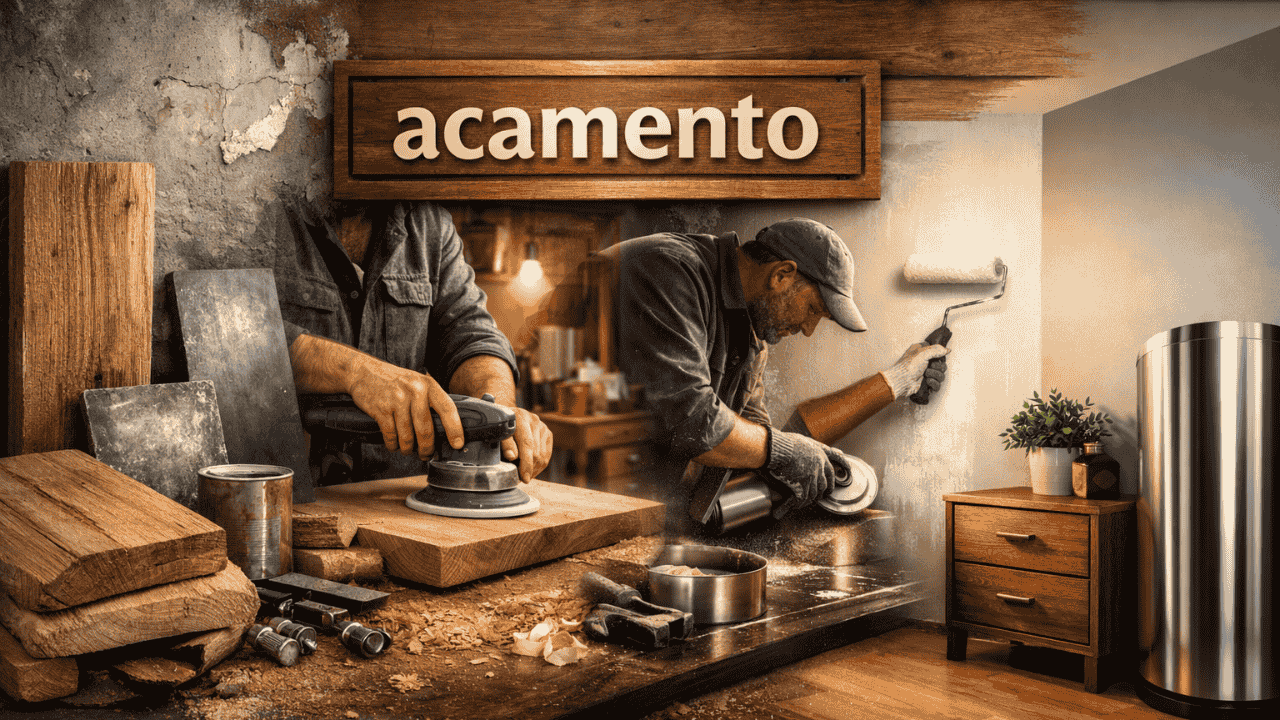
Every product, building, or design project reaches a stage where the main structure is complete but the work is not truly finished. That final stage, where details are refined and surfaces are polished, is known as acamento. The idea behind acamento focuses on improving appearance, durability, and the overall feel of a product or space. It represents the step where rough work becomes something polished and ready for use. In many industries, acamento is the difference between something that looks unfinished and something that feels complete and professional.
The concept of acamento is often connected to finishing techniques used in construction, manufacturing, furniture making, fashion, and even digital design. While the core structure provides functionality, acamento shapes how people experience the final result. A well-executed acamento can elevate quality, increase product lifespan, and improve customer satisfaction. Businesses that pay attention to these final touches often produce products that stand out in crowded markets.
Understanding the true meaning of acamento
The term acamento refers to the finishing stage of a product or project where the final adjustments and details are applied. It is the process that transforms something from a raw or incomplete state into a refined final product. In practical terms, acamento includes tasks like polishing surfaces, applying paint, adding decorative elements, and refining textures. These finishing actions make the product more attractive and functional.
In everyday language, acamento can be understood as the last step before something is considered ready for use or display. Builders, designers, and manufacturers rely on acamento to ensure that their work meets both practical and visual standards. Without proper acamento, even well-constructed products may appear rough or incomplete. This is why professionals treat the finishing stage with as much care as the earlier stages of production.
The role of acamento in construction and architecture
Construction projects often highlight the importance of acamento more than any other industry. Once the structural framework of a building is complete, finishing work begins to transform the space into something comfortable and visually appealing. Floors are installed, walls are painted, tiles are laid, and decorative trims are added. These finishing steps represent the acamento phase of the project.
A building without proper acamento can feel unfinished even if the structure itself is strong and stable. Residents and visitors usually notice finishing details first because they directly affect visual appeal. Clean lines, smooth surfaces, and balanced design elements make a space feel complete. As a result, construction companies invest significant time in ensuring the acamento stage meets quality expectations.
Typical construction finishing tasks include:
- painting interior and exterior walls
- installing tiles and flooring
- fitting door frames and window trims
- adding decorative moldings and fixtures
- polishing surfaces and sealing materials
These elements may seem small, but together they shape the overall impression of the building.
How acamento improves manufacturing quality
Manufacturing industries rely heavily on acamento to refine products before they reach the market. After a product is assembled or molded, it often goes through finishing processes that enhance both appearance and performance. These steps ensure the product meets industry standards and customer expectations. Without proper acamento, manufactured goods may look rough or wear out quickly.
Surface finishing methods are common forms of acamento in industrial production. These techniques smooth out imperfections, protect materials, and improve visual quality. In many factories, the finishing stage includes sanding, polishing, coating, or plating. Each method contributes to making the final product stronger and more visually appealing.
Common manufacturing finishing processes include:
- polishing metal or plastic surfaces
- applying protective coatings
- powder coating or painting
- electroplating for corrosion resistance
- grinding or smoothing rough edges
Through these methods, acamento improves durability while giving products a professional finish.
Acamento in furniture and woodworking
Furniture makers treat acamento as one of the most important parts of their craft. Wood furniture often starts as rough timber that requires shaping, sanding, and finishing before it becomes a complete piece. The acamento stage involves smoothing surfaces and applying protective finishes such as varnish or lacquer. These steps highlight the natural beauty of the wood while protecting it from damage.
A well-done acamento also improves how furniture feels to the touch. Smooth edges and polished surfaces create comfort and safety for users. Without finishing, wooden surfaces may splinter or absorb moisture, leading to long-term damage. Skilled craftsmen spend hours refining these finishing details to ensure the furniture looks and performs well.
Some typical woodworking finishing techniques include:
- sanding to create a smooth surface
- staining wood to enhance color and texture
- applying varnish or lacquer for protection
- polishing for a glossy appearance
- sealing wood to prevent moisture damage
These finishing steps define the final quality of furniture pieces.
The influence of acamento in fashion and textiles
Clothing production also depends on acamento to transform basic fabric into wearable garments. Once the main structure of a piece of clothing is stitched together, finishing details are added to complete the design. These details include buttons, embroidery, trims, and decorative stitching. Each of these finishing steps contributes to the acamento of the garment.
Garments with careful acamento tend to look more refined and durable. Small design choices, such as precise stitching or well-placed seams, improve both style and comfort. Designers understand that customers often judge clothing by how well these finishing elements are executed. A garment with poor finishing may appear cheap even if the fabric itself is high quality.
Examples of finishing details in clothing include:
- decorative embroidery
- clean seam finishing
- adding buttons or zippers
- attaching labels and trims
- pressing and shaping garments
Through these steps, acamento helps transform simple fabric into finished fashion items.
Digital design and the modern interpretation of acamento
The idea of acamento has expanded beyond physical products and now appears in digital design as well. Software developers and designers often use finishing touches to improve how applications look and feel. These improvements include smoother animations, refined layouts, and thoughtful interface details. Although digital products are not physical objects, the finishing process still plays an important role.
Digital acamento focuses on user experience rather than surface materials. Small changes like adjusting spacing, improving color balance, or refining typography can make software easier to use. These finishing details help users feel comfortable navigating the product. As a result, modern design teams treat acamento as an essential stage in software development.
Digital finishing elements may include:
- smoother interface transitions
- improved typography and spacing
- subtle animations and micro-interactions
- cleaner layout structures
- refined color palettes
These details contribute to a polished digital experience.
Why acamento matters for product perception
Customers often judge quality based on finishing details rather than internal structure. Even when a product functions perfectly, poor finishing can create a negative impression. Acamento helps products look refined and reliable, which increases trust among customers. Businesses that invest in finishing often build stronger brand reputations.
The finishing stage also protects products from wear and environmental damage. Protective coatings, sealed surfaces, and smooth edges extend the lifespan of materials. In competitive markets, companies rely on acamento to differentiate their products from cheaper alternatives. A well-executed finishing process can significantly increase perceived value.
Some of the main benefits of acamento include:
- improved visual appeal
- better durability and protection
- enhanced customer perception
- increased product value
- stronger brand reputation
These advantages explain why finishing is treated as a critical stage in production.
The difference between structural work and acamento
Understanding the difference between structural work and acamento helps explain why finishing is so important. Structural work focuses on building the core framework of a product or space. This stage ensures stability, strength, and functionality. However, the structure alone rarely determines the final user experience.
Acamento comes after the structure is complete and focuses on refining the details. It improves surfaces, enhances aesthetics, and prepares the product for practical use. While structural work ensures that something functions properly, acamento ensures that it looks and feels right. Together, these stages create a complete and high-quality result.
Conclusion
Acamento represents the final stage of refinement that transforms raw work into a polished outcome. Whether in construction, manufacturing, furniture making, fashion, or digital design, finishing details shape how people experience the final product. Careful acamento improves durability, enhances visual appeal, and increases perceived value. Even small finishing steps can make a significant difference in the overall quality of a project.
Professionals across many industries understand that the finishing stage deserves close attention. A well-executed acamento can turn an ordinary product into something memorable and reliable. By focusing on detail, protection, and presentation, finishing processes help ensure that products and spaces meet both functional and aesthetic expectations. This is why acamento remains an essential concept in design and production.
FAQs
What does acamento mean?
Acamento refers to the final stage of finishing or refinement applied to a product, building, or design. It includes the last touches that improve appearance, durability, and usability.
Why is acamento important in manufacturing?
Acamento improves product quality by smoothing surfaces, applying protective coatings, and refining details. These finishing steps enhance durability and visual appeal.
Where is acamento commonly used?
Acamento appears in many industries including construction, furniture making, fashion production, manufacturing, and digital design.
What are examples of acamento in construction?
Examples include painting walls, installing tiles, polishing floors, fitting decorative trims, and applying protective surface coatings.
How does acamento affect product value?
High-quality acamento improves appearance, increases durability, and creates a stronger impression of quality, which can raise the perceived value of a product.