









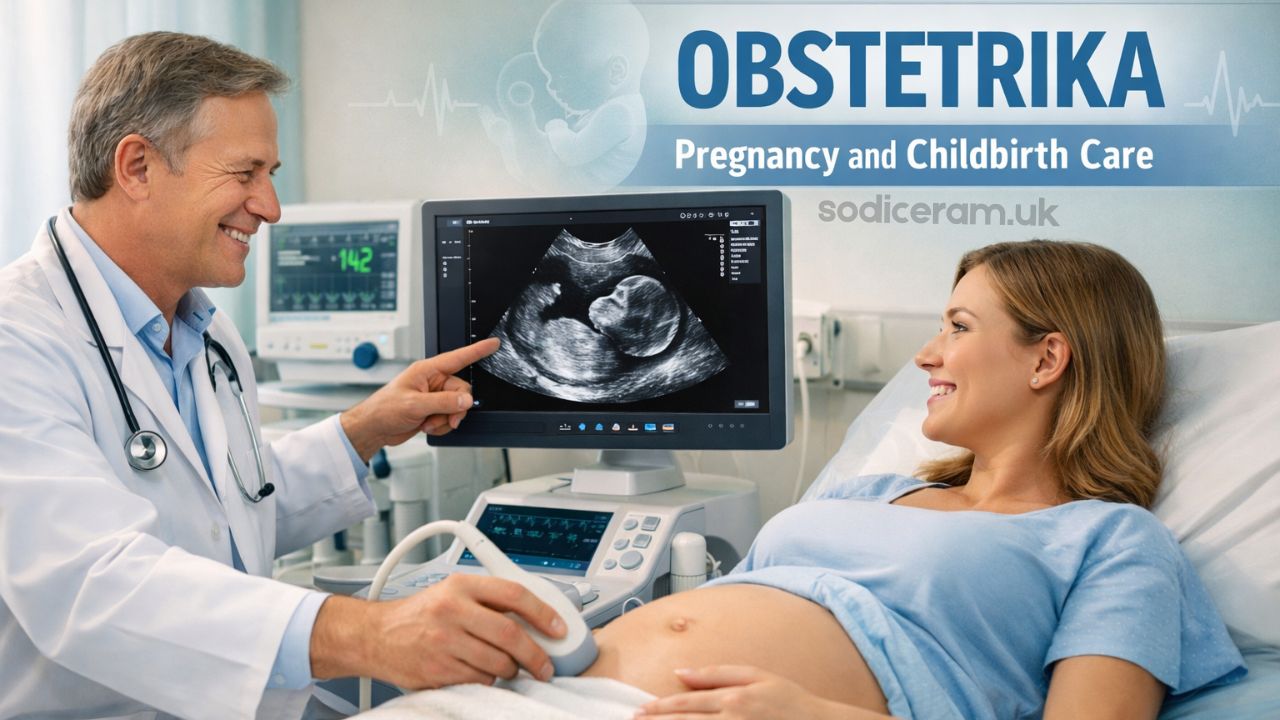
Pregnancy and childbirth are complex biological processes that require careful medical attention to protect both mother and baby. The medical field that focuses on this stage of life is known as obstetrika. It covers everything from early pregnancy monitoring to the safe delivery of a baby and the recovery period afterward. Doctors who work in obstetrika guide expectant mothers through physical changes, medical tests, and possible risks during pregnancy. This area of medicine plays a major role in reducing complications and improving maternal and newborn health.
What Obstetrika Means in Modern Medicine
Obstetrika is a specialized branch of medicine focused on pregnancy, childbirth, and the recovery period after delivery. It involves medical monitoring, diagnosis, and treatment to ensure both the mother and fetus remain healthy throughout pregnancy. The field also includes managing complications that may appear before or during labor. Specialists working in obstetrika are trained to recognize warning signs and respond quickly when risks develop. Their role combines preventive care, medical expertise, and emergency management when necessary.
The practice of obstetrika begins even before birth through prenatal care and continues until the postpartum period ends. During pregnancy, doctors track fetal growth and monitor the health of the mother using medical examinations and diagnostic tests. If problems arise, obstetrika provides treatment options that protect the lives of both patients. The field also supports mothers with guidance about nutrition, physical health, and safe delivery planning. These services make obstetrika one of the most important medical specialties in maternal health.
Historical Background of Obstetrika
The origins of obstetrika go back thousands of years when childbirth assistance was mainly handled by experienced women known as midwives. These caregivers used traditional knowledge passed down through generations to support labor and delivery. Medical doctors started entering childbirth care in the eighteenth century as anatomy and surgical knowledge improved. Over time, hospitals began offering professional maternity care, and obstetrika developed as a formal medical discipline.
Advancements in science transformed obstetrika into a technology-driven field. Tools such as ultrasound imaging, fetal monitoring equipment, and modern surgical techniques improved pregnancy safety. Antibiotics and better hygiene practices also reduced maternal deaths related to childbirth. Today, obstetrika combines traditional patient care with advanced medical technology to improve outcomes. These developments have made pregnancy safer than at any time in human history.
Prenatal Care and Its Role in Obstetrika
Prenatal care is one of the most important components of obstetrika because it helps detect health issues early in pregnancy. Regular medical checkups allow doctors to track fetal development and monitor the mother’s health. During these visits, healthcare providers check blood pressure, weight, and fetal growth patterns. Early monitoring helps identify conditions that could lead to complications later in pregnancy. Continuous care also allows expectant mothers to ask questions and receive guidance about pregnancy changes.
Prenatal visits often include several routine tests that help doctors understand how the pregnancy is progressing. These tests provide valuable information about both maternal and fetal health.
Common prenatal examinations include:
- ultrasound scans to observe fetal growth and position
- blood tests to detect infections or genetic conditions
- urine tests to check for diabetes or kidney problems
- blood pressure monitoring to detect pregnancy-related hypertension
- fetal heartbeat monitoring to confirm healthy development
These medical evaluations are essential in obstetrika because they allow healthcare providers to take action before problems become serious.
Monitoring Fetal Development Throughout Pregnancy
Tracking fetal growth is another major responsibility in obstetrika. As pregnancy progresses, doctors monitor the baby’s development using imaging technology and physical examinations. Ultrasound imaging is commonly used to visualize the fetus and evaluate organs, limbs, and heartbeat patterns. This process helps detect abnormalities or developmental delays early in pregnancy.
Doctors also measure the mother’s abdomen and track weight gain to confirm healthy fetal growth. Monitoring the placenta and amniotic fluid levels is another part of routine care in obstetrika. These indicators help determine whether the baby is receiving enough nutrients and oxygen. If growth patterns appear unusual, doctors may recommend additional tests or treatments. Close monitoring ensures that any risks are identified before delivery.
Labor and Delivery Management in Obstetrika
The most visible part of obstetrika occurs during labor and delivery. This stage involves careful supervision of the childbirth process to protect both mother and baby. Medical teams monitor contractions, fetal heart rate, and the progression of labor to ensure the delivery is proceeding safely. When labor progresses normally, the baby is delivered through vaginal birth. However, doctors may intervene if complications arise.
Several medical methods are used during childbirth when additional assistance becomes necessary.
Common delivery methods include:
- natural vaginal delivery during uncomplicated labor
- assisted vaginal delivery using medical instruments
- induced labor using medication to stimulate contractions
- cesarean section surgery when vaginal birth is not safe
Each approach is chosen based on the medical condition of the mother and baby. Obstetrika professionals evaluate these factors carefully before deciding the safest delivery method.
Postpartum Care and Maternal Recovery
After childbirth, obstetrika continues to support mothers during the recovery period known as postpartum care. This stage usually lasts about six weeks and focuses on healing and physical recovery. Doctors monitor the mother for excessive bleeding, infection, or complications that may appear after delivery. The body undergoes significant hormonal changes during this time, which can affect physical and emotional health.
Postpartum care in obstetrika also includes guidance on newborn care and breastfeeding. Medical professionals help mothers adjust to the physical demands of caring for a newborn. Emotional support is equally important because some women experience postpartum depression. Regular checkups help doctors identify symptoms early and offer appropriate treatment. With proper support, most mothers recover fully and adapt to their new role.
Common Pregnancy Complications Addressed in Obstetrika
Pregnancy can sometimes involve medical complications that require specialized attention. One of the key responsibilities of obstetrika is identifying these risks and managing them before they become life-threatening. Some conditions develop gradually, while others appear suddenly during pregnancy or labor. Early detection greatly improves the chances of successful treatment.
Examples of pregnancy complications commonly managed in obstetrika include:
- preeclampsia, a condition involving dangerously high blood pressure
- gestational diabetes, where blood sugar levels rise during pregnancy
- ectopic pregnancy, when the fertilized egg grows outside the uterus
- placental abruption, where the placenta separates before delivery
- premature labor that begins before the pregnancy reaches full term
Doctors trained in obstetrika monitor these conditions closely and provide treatment to prevent harm to the mother or baby.
Obstetrika and Gynecology: Understanding the Difference
Although obstetrika and gynecology are closely related, they focus on different aspects of women’s health. Obstetrika concentrates on pregnancy, childbirth, and postpartum care. Gynecology deals with the broader health of the female reproductive system outside pregnancy. These fields often overlap because many reproductive health issues affect pregnancy outcomes.
Many physicians specialize in both areas and are known as obstetrician-gynecologists. This combined specialty allows doctors to provide comprehensive care throughout a woman’s life. From reproductive health exams to pregnancy monitoring, these professionals handle a wide range of medical concerns. The integration of obstetrika and gynecology helps ensure continuity of care. Patients benefit from having a single specialist familiar with their medical history.
Technology and Advancements in Modern Obstetrika
Medical technology has transformed obstetrika significantly over the past century. Diagnostic tools now allow doctors to monitor pregnancies with remarkable precision. Ultrasound imaging provides detailed pictures of fetal development inside the womb. Electronic fetal monitoring tracks heart rate patterns during labor to detect distress.
Advances in surgical techniques have also improved cesarean delivery safety. Improved anesthesia and sterile procedures have reduced complications associated with childbirth surgery. Genetic screening tests can identify inherited conditions early in pregnancy. These innovations have strengthened the effectiveness of obstetrika and improved survival rates for mothers and newborns.
The Importance of Obstetrika for Maternal and Infant Health
The medical care provided through obstetrika has a direct impact on the safety of childbirth worldwide. Regular prenatal monitoring helps detect health risks that might otherwise go unnoticed. Early medical intervention reduces the chances of severe complications during pregnancy or labor. Hospitals and clinics equipped with obstetrika services are better prepared to handle emergencies during childbirth.
Education is another important aspect of obstetrika. Expectant mothers receive advice about nutrition, exercise, and lifestyle habits that affect pregnancy outcomes. Medical guidance encourages healthier pregnancies and supports the growth of healthy babies. With proper care, most pregnancies progress safely from conception to delivery. The presence of trained obstetrika professionals significantly improves maternal and newborn survival rates.
Conclusion
Obstetrika is a vital branch of medicine dedicated to protecting mothers and babies during pregnancy and childbirth. It combines preventive care, medical monitoring, and emergency management to ensure safe deliveries. From prenatal examinations to postpartum recovery, obstetrika supports women throughout one of the most important stages of life. Advances in medical science and technology have strengthened this field and improved childbirth safety around the world. As healthcare continues to evolve, obstetrika will remain essential for safeguarding maternal and infant health.
FAQs
- What is obstetrika in medicine
Obstetrika is the medical field that focuses on pregnancy, childbirth, and the postpartum recovery period. It involves monitoring the health of both mother and baby during these stages. - What does an obstetrika specialist do
A specialist in obstetrika monitors pregnancy progress, manages labor and delivery, and provides care after childbirth. They also diagnose and treat pregnancy-related complications. - How is obstetrika different from gynecology
Obstetrika deals specifically with pregnancy and childbirth, while gynecology focuses on the general health of the female reproductive system outside pregnancy. - Why is prenatal care important in obstetrika
Prenatal care helps doctors monitor fetal development and detect health problems early. Early treatment reduces the risk of complications during pregnancy and delivery. - What complications are commonly managed in obstetrika
Conditions such as preeclampsia, gestational diabetes, ectopic pregnancy, and premature labor are frequently monitored and treated in obstetrika.