









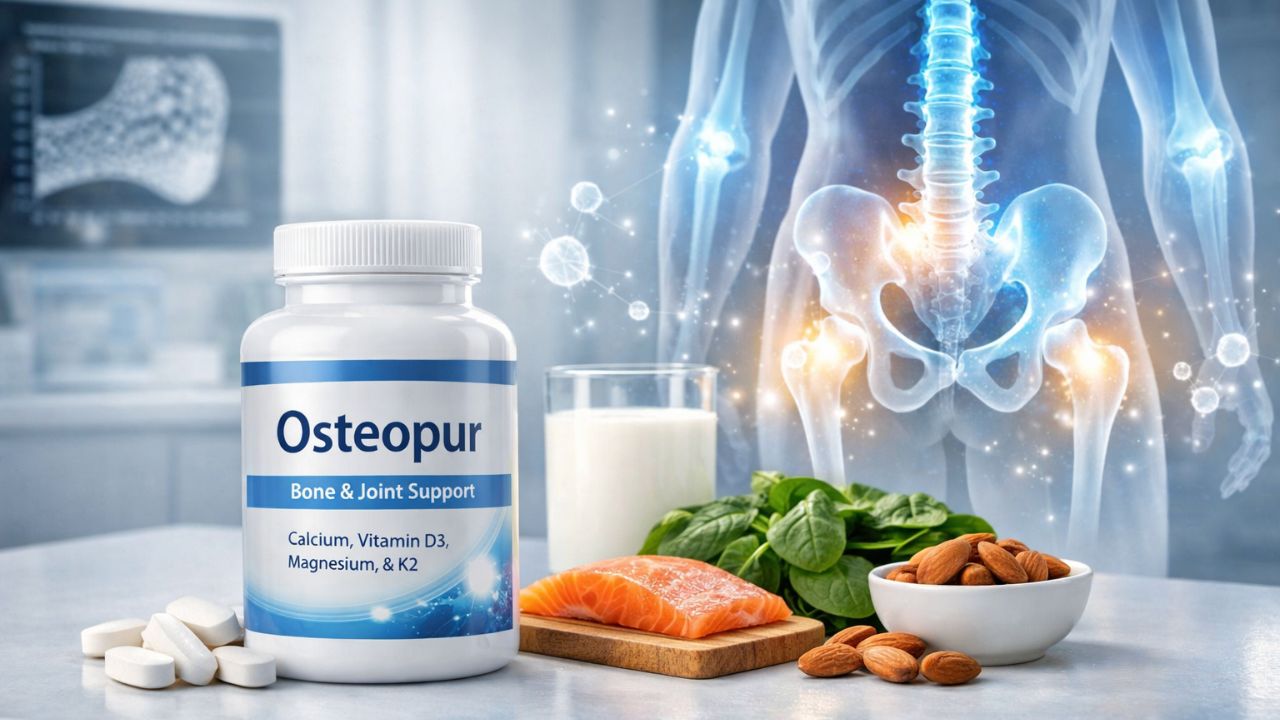
Weak bones don’t show up on a mirror. You can lift weights, walk miles, and still carry bones that are quietly losing density year after year. That slow decline is exactly why Osteopur has become a common part of daily routines for people who take bone health seriously. It’s not about quick fixes. It’s about supplying the nutrients bones rely on long before fractures or chronic joint pain start making the decisions for you.
Most people underestimate how early bone loss begins. By the time symptoms appear, years of gradual mineral loss have already taken their toll. That’s where consistent nutritional support matters, and Osteopur has gained attention because it focuses directly on the mineral and vitamin balance bones require.
Why Bone Density Starts Declining Earlier Than People Expect
Bone tissue isn’t static. It constantly rebuilds itself through a cycle of breakdown and formation. When you’re young, formation wins easily. As the years pass, the balance slowly shifts.
That shift often starts in the mid-30s.
By the time someone reaches their 50s, bone breakdown usually begins outpacing rebuilding. Without the right nutrients, bone tissue becomes thinner and more fragile.
Several factors accelerate the process:
- Low calcium intake
- Vitamin D deficiency
- Sedentary lifestyle
- Hormonal changes
- Long-term inflammation
This slow imbalance is the environment where Osteopur is often used. It supplies the minerals and supporting nutrients that bone tissue needs to maintain strength while the body’s natural rebuilding process slows down.
Ignoring this stage is where most people make their first mistake.
The Nutrients That Matter Most for Strong Bones
Strong bones rely on a network of nutrients working together. Calcium gets most of the attention, but bones depend on far more than a single mineral.
Calcium: The Structural Foundation
Calcium forms the basic structure of bone tissue. Roughly 99 percent of the body’s calcium sits inside bones and teeth.
When dietary calcium falls short, the body pulls calcium from bones to maintain blood levels. Over time, this process reduces bone density.
Osteopur includes calcium as a core component because without enough of it, bone rebuilding simply cannot keep up with normal breakdown.
Vitamin D3: The Gatekeeper of Calcium Absorption
Calcium without vitamin D is largely wasted.
Vitamin D controls how much calcium the body actually absorbs from food and supplements. Low vitamin D levels mean calcium passes through the digestive system without reaching bones.
Osteopur pairs vitamin D3 with calcium so the mineral actually reaches bone tissue instead of being lost.
Magnesium: The Overlooked Bone Mineral
Magnesium plays a quiet but critical role in bone structure. Around 60 percent of magnesium in the body is stored in bones.
It helps regulate calcium transport and contributes to the crystal structure that gives bones strength.
When magnesium intake drops, bones can lose both density and flexibility.
Vitamin K2: Directing Calcium to the Right Place
Calcium in the bloodstream needs direction.
Vitamin K2 activates proteins that guide calcium into bone tissue rather than allowing it to accumulate in arteries. Without this process, calcium can circulate without strengthening bones.
This is one of the reasons Osteopur includes vitamin K2 alongside calcium and vitamin D.
The Role of Collagen in Bone Flexibility
Bones are not rigid mineral blocks. They contain a protein framework that provides resilience and flexibility.
That framework is collagen.
Without enough collagen support, bones may become brittle even if mineral levels appear adequate. Collagen acts like the internal scaffolding that minerals attach to.
Osteopur includes collagen components because mineral density alone doesn’t guarantee durable bones.
A strong structure requires both minerals and protein support.
Trace Minerals That Strengthen Bone Tissue
Large nutrients get most of the attention, but small minerals quietly influence bone metabolism.
Several trace minerals appear in Osteopur for this reason.
Zinc
Zinc contributes to bone cell growth and tissue repair. It also supports enzymes involved in mineralization.
Boron
Boron helps regulate calcium and magnesium metabolism. It also influences hormones linked to bone maintenance.
Manganese
Manganese plays a role in forming connective tissue and cartilage. It supports the structural network around bone.
Copper
Copper supports collagen formation and helps maintain connective tissue strength.
These nutrients work in small amounts, but removing them from the equation weakens the entire system.
Why Joint Health Is Closely Connected to Bone Strength
People often treat joint pain and bone weakness as separate issues.
They rarely are.
Bone density influences how joints absorb pressure and impact. When bone strength declines, joints carry more mechanical stress. That stress leads to stiffness, inflammation, and reduced mobility.
Osteopur is frequently used by people who want both bone and joint support because the nutrients inside affect both systems.
Stronger bone structure improves joint stability.
Better joint function reduces stress on bones.
The two systems constantly influence each other.
Who Usually Adds Osteopur to Their Routine
Bone health supplements tend to attract a specific group of people who already understand the risks of ignoring bone density.
Several groups commonly turn to Osteopur.
Adults Over Forty
Bone density loss begins earlier than most people assume. Adults entering their 40s often start focusing on long-term bone maintenance.
Post-Menopausal Women
Hormonal changes significantly accelerate bone loss after menopause. Maintaining mineral intake becomes more important during this stage.
Athletes with Repetitive Impact
Runners, basketball players, and endurance athletes place repeated stress on bones. Maintaining mineral support helps prevent stress fractures.
People with Low Dietary Calcium
Diet patterns that avoid dairy or calcium-rich foods often create nutrient gaps that supplements attempt to fill.
These groups often view Osteopur less as a treatment and more as long-term maintenance.
Lifestyle Habits That Support the Effects of Osteopur
Supplements alone rarely solve bone health problems.
Certain daily habits make a much bigger difference when paired with Osteopur.
Weight-bearing exercise ranks at the top of the list. Activities like walking, resistance training, and climbing stairs stimulate bone formation.
Sun exposure also matters. Sunlight helps the body produce vitamin D naturally, strengthening calcium absorption.
Diet plays a role as well. Bone health improves when meals regularly include:
- Leafy greens
- Dairy or fortified alternatives
- Fish like sardines or salmon
- Nuts and seeds
Osteopur works best when it complements these habits rather than replacing them.
Side Effects and When Caution Makes Sense
Most people tolerate Osteopur well, but supplements always carry potential side effects.
Calcium supplements may cause digestive discomfort in some individuals. Constipation can occur when calcium intake increases quickly.
Allergic reactions are rare but possible depending on ingredient sources.
Anyone taking medication that affects calcium metabolism or blood clotting should speak with a healthcare professional before adding Osteopur.
Responsible use always matters more than blind enthusiasm.
Why Prevention Matters More Than Treatment
Bone fractures often appear suddenly, but the conditions behind them develop quietly for decades.
Once bone density drops significantly, rebuilding it becomes difficult.
Preventing the decline is far easier than reversing it.
That reality explains why Osteopur attracts attention from people who want to support bone health early rather than react after problems appear.
Bones reward consistency.
Ignoring them for years and expecting quick recovery rarely works.
The Bigger Lesson Behind Osteopur
Bone health doesn’t collapse overnight. It fades slowly while most people pay attention to everything else.
The real lesson behind Osteopur isn’t the supplement itself. It’s the reminder that bone strength is built through steady habits: minerals, movement, sunlight, and time.
Miss those inputs long enough and bones weaken quietly.
Support them consistently and they hold up far longer than most people expect.
Waiting until pain or fractures appear is the worst strategy possible.
FAQs
1. Can Osteopur be taken with other multivitamins?
Yes, but overlapping nutrients should be checked first. Combining multiple supplements that contain calcium or vitamin D may push intake beyond recommended levels.
2. How long does it usually take before people notice benefits from Osteopur?
Bone changes occur slowly. Most people take Osteopur for several months before noticing improvements in joint comfort or strength during physical activity.
3. Does Osteopur replace calcium-rich foods?
No. Supplements support dietary intake, but whole foods provide additional nutrients that bones rely on, including protein and natural minerals.
4. Is Osteopur useful for younger adults?
People in their 20s and 30s can benefit if their diet lacks key nutrients, though lifestyle habits like exercise and diet remain the most important factors.
5. Should Osteopur be taken with food or on an empty stomach?
Taking Osteopur with meals often improves calcium absorption and reduces the chance of digestive discomfort.