







The phrase software doxfore5 dying has been showing up more often in tech discussions, and not without reason. It reflects a growing concern around a once-useful system that now seems to be slipping into decline. Many businesses that relied on it are starting to question whether it still fits their needs. The topic is less about a sudden shutdown and more about a gradual loss of relevance. That slow fade is what makes it worth examining in detail.
what software doxfore5 was built to do
Software doxfore5 started as a document management and workflow automation system designed for structured environments. It helped organizations store, organize, and retrieve files while also managing approval processes and internal collaboration. Industries like healthcare, law, and finance found it useful because of its compliance features. The system was particularly valued for handling sensitive data and maintaining version control across teams. At one point, it had a solid user base spread across multiple countries.
Its core functions included several key capabilities that made it attractive early on:
- document indexing and fast search
- workflow automation for repetitive tasks
- team collaboration tools
- compliance tracking for regulated industries
These features made it competitive when desktop-based enterprise tools were still dominant. However, the expectations of software users have changed significantly since then. What once felt efficient now feels outdated in comparison to modern platforms. That shift is a major reason why software doxfore5 dying has become a real discussion point.
early signs that something was going wrong
The decline did not happen overnight, which is why many companies stayed with it longer than they should have. One of the first warning signs was the slowdown in updates. New features became rare, and bug fixes started taking longer to roll out. Users noticed that issues they reported were not being addressed quickly. Over time, this created frustration and reduced trust in the system.
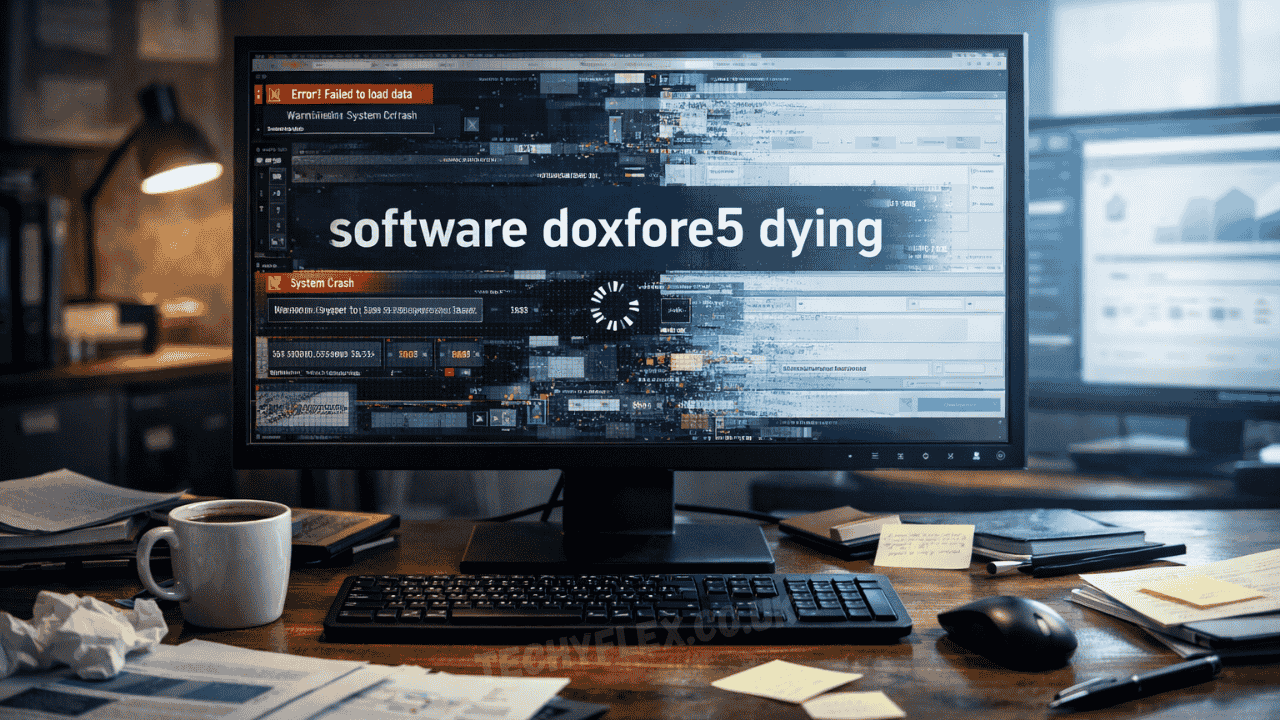
Another major signal was the increase in technical problems. Crashes, syncing issues, and login failures became more common. These problems disrupted daily work and made the system unreliable. When software becomes unpredictable, businesses start looking for alternatives. That is exactly how the conversation around software doxfore5 dying gained traction.
performance and compatibility problems
As operating systems evolved, software doxfore5 struggled to keep up. Users reported compatibility issues with newer versions of Windows and macOS. This created friction during updates and forced some companies to delay system upgrades. In a modern IT environment, that kind of limitation is a serious drawback. It can even create security risks if systems are not updated on time.
Performance also became a growing concern. The software started consuming more memory and CPU than expected. Tasks that once took seconds began to lag noticeably. These slowdowns affected productivity across entire teams. When software starts wasting time instead of saving it, its value quickly drops.
why software doxfore5 dying became inevitable
The decline can be traced back to a combination of technical and strategic issues. One of the biggest problems was its outdated architecture. The system was built on older technologies that were not designed for today’s scale and speed. Updating such a foundation is not easy, and in many cases, it requires a complete rebuild. Without that effort, the system naturally falls behind.
Technical debt also played a major role. Instead of reworking the core system, developers kept adding patches over time. This made the software more complex and harder to maintain. Eventually, even small updates became risky and difficult. That kind of structure slows innovation and creates long-term instability.
Another factor was the rise of cloud-based competitors. Modern platforms offer better speed, accessibility, and integration. They are built to work across devices and support remote teams. Compared to that, older systems feel rigid and limited. This shift in expectations pushed software doxfore5 dying further into reality.
impact on businesses still using it
For companies still relying on the system, the consequences have been significant. Productivity losses are one of the most immediate effects. Employees spend extra time dealing with errors, slow performance, and workarounds. Even small delays add up when they happen repeatedly throughout the day. Over weeks and months, this becomes a serious cost.
There are also financial implications that cannot be ignored:
- increased IT support costs due to frequent issues
- expensive migration projects when switching systems
- downtime leading to lost business opportunities
- compliance risks in regulated industries
Some organizations have reported spending tens of thousands of dollars just to move away from it. Others faced operational disruptions during the transition. These challenges highlight why ignoring software decline can be costly. The phrase software doxfore5 dying is not just a trend; it reflects real business consequences.
the shift toward modern alternatives
As problems grew, many companies began exploring better options. Tools like cloud-based document management systems quickly became the preferred choice. These platforms offer real-time collaboration, stronger security, and easier integration with other tools. They also receive regular updates, which keeps them aligned with user needs.
The move to modern systems is driven by a few clear advantages:
- faster performance and better scalability
- access from anywhere with internet connectivity
- regular feature updates and improvements
- improved user experience and interface design
These benefits make the decision to switch easier, even if the migration process is challenging. Businesses are no longer willing to tolerate outdated systems. This shift is one of the strongest indicators that software doxfore5 dying is part of a broader industry change.
is software doxfore5 dying or just overhyped
There is an interesting angle to consider here. Some discussions suggest that the attention around software doxfore5 dying might be exaggerated. In some cases, the software itself is not widely recognized or documented. This raises questions about whether it represents a real product or a symbolic example of failing systems. Either way, the issues being discussed are very real.
Even if the name itself is unclear, the pattern is familiar. Many software platforms follow the same path when they fail to evolve. They start strong, gain users, and then slowly decline as technology moves forward. The story resonates because it reflects what happens across the tech industry. That is why the topic continues to gain attention.
lessons businesses should take from this
The biggest takeaway is not just about one piece of software. It is about recognizing the signs of decline early. Waiting too long can increase costs and create unnecessary risks. Companies need to regularly evaluate the tools they rely on. If a system starts showing consistent issues, it should be reviewed carefully.
Here are practical lessons businesses can apply:
- monitor update frequency and developer support
- track performance issues and user complaints
- compare existing tools with newer alternatives
- plan migrations before problems become critical
These steps can help avoid the situation described by software doxfore5 dying. Staying proactive is always better than reacting under pressure. Technology moves quickly, and businesses need to keep pace.
conclusion
The discussion around software doxfore5 dying highlights a broader truth about software lifecycle and business dependency. Systems do not fail overnight, and that makes them harder to replace at the right time. What starts as minor issues can grow into major operational problems. Companies that ignore early warning signs often pay the highest price later.
Whether software doxfore5 is a specific product or a symbolic case, the lesson remains the same. Outdated systems eventually lose their value if they are not maintained and improved. Businesses that stay alert and adapt early will avoid unnecessary disruption. Those that wait too long may find themselves forced into costly and urgent decisions. In the end, the real issue is not just software doxfore5 dying, but how organizations respond when their tools begin to fail.
faqs
what does software doxfore5 dying actually mean
It refers to a software system losing updates, performance quality, and user trust over time rather than shutting down suddenly.
why are businesses moving away from software doxfore5
They are facing issues like slow performance, bugs, lack of updates, and better alternatives in the market.
is software doxfore5 completely discontinued
There is no clear confirmation, but its declining relevance and usage suggest it is becoming obsolete.
what are the risks of continuing to use outdated software
Risks include security issues, productivity loss, higher maintenance costs, and compliance problems.
how can businesses avoid situations like software doxfore5 dying
They should regularly evaluate their tools, monitor performance, and switch systems before problems become severe.