








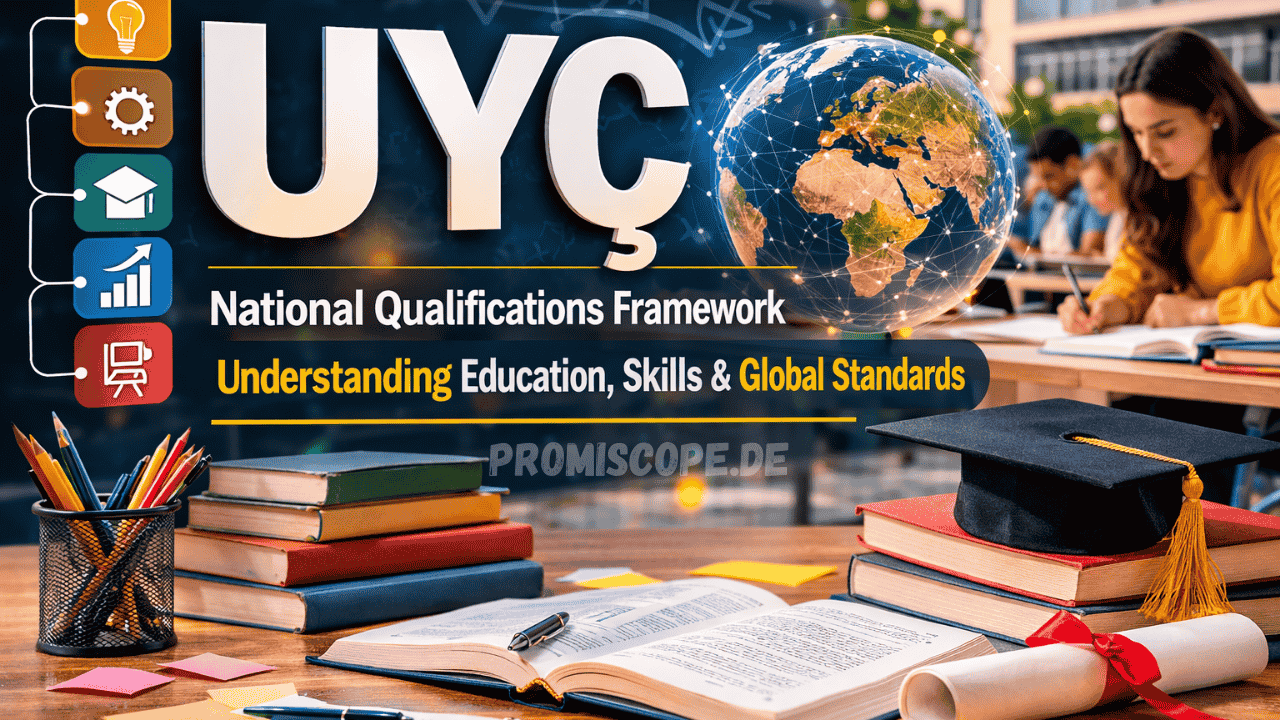
The term uyç appears in different contexts, but it is most commonly linked to the education system in Turkey. In academic discussions, uyç refers to the national framework used to classify qualifications, degrees, and professional competencies. This system helps organize education levels and makes it easier to understand what a certificate or diploma represents. Because education systems differ between countries, frameworks like uyç help bring clarity and structure to qualifications. As global mobility increases, systems such as uyç play a growing role in comparing academic and professional achievements across borders.
The keyword uyç has also gained attention online due to its short and distinctive form. Some people encounter it while researching international education standards, while others notice it used as a unique identifier in digital spaces. Despite the different uses, the primary meaning of uyç is closely connected to qualification frameworks and education standards. Understanding how uyç works can help students, employers, and institutions interpret academic credentials more accurately. The following sections break down the meaning of uyç, its structure, and why it matters in modern education.
understanding the meaning of uyç in education
The term uyç stands for Ulusal Yeterlilik Çerçevesi, which translates to National Qualifications Framework in Turkey. It is a structured system designed to categorize educational achievements and professional qualifications. Through uyç, degrees, certificates, and vocational training programs are placed into clearly defined levels. This allows institutions and employers to evaluate a person’s learning outcomes more effectively.
One important feature of uyç is that it focuses on three main aspects of learning: knowledge, skills, and competence. Instead of simply listing degrees, the framework examines what a person actually knows and can do. This approach allows for a more accurate representation of qualifications. By using uyç, educational institutions can describe the value of their programs in a standardized way.
Another reason uyç exists is to create transparency within the education system. When different schools and universities follow the same framework, qualifications become easier to compare. This helps employers understand what level of expertise a candidate possesses. As a result, uyç supports both academic recognition and employment opportunities.
how the uyç framework organizes qualifications
The uyç system divides education and professional qualifications into eight levels. Each level represents a stage of learning and development. These levels help institutions describe what learners achieve at different points in their education. By organizing qualifications this way, uyç creates a clear progression from basic knowledge to advanced expertise.
Each level in uyç reflects increasing complexity and responsibility in learning outcomes. Lower levels represent basic education and fundamental skills, while higher levels correspond to advanced academic or research achievements. This structured hierarchy helps both students and employers understand the depth of a qualification.
The eight levels typically correspond to different stages of education, such as:
- Level 1–2: basic education and foundational skills
- Level 3–4: secondary education and vocational training
- Level 5: short-cycle higher education programs
- Level 6: bachelor’s degree level learning outcomes
- Level 7: master’s degree level expertise
- Level 8: doctoral and advanced research qualifications
Through these levels, uyç provides a consistent way to measure educational progress. This structure also makes it easier to align Turkish qualifications with international systems.
connection between uyç and international qualification systems
One major purpose of uyç is to align Turkey’s education framework with international standards. The system is designed to match the structure of the European Qualifications Framework. This alignment allows qualifications from different countries to be compared more easily.
When uyç corresponds to international frameworks, students benefit from greater mobility. For example, a student who earns a bachelor’s degree classified under uyç level 6 can show that their education meets a similar standard in many European systems. This simplifies the process of applying for jobs or further study abroad.
Employers also gain advantages from this alignment. When a qualification follows uyç standards, recruiters can better understand the level of education behind a diploma. Instead of guessing what a foreign degree means, they can refer to the framework level. In this way, uyç helps bridge the gap between national education systems and global employment markets.
why uyç matters for students and employers
Education frameworks often operate behind the scenes, but they have a strong influence on how qualifications are interpreted. The uyç system provides a reference point that clarifies the value of educational achievements. This clarity benefits both individuals and organizations.
For students, uyç helps explain how their education fits into the larger academic structure. When students understand the framework, they can plan their learning path more effectively. They also gain a clearer understanding of how their degree compares internationally.
Employers rely on frameworks like uyç when evaluating job candidates. A qualification listed within the uyç structure communicates the expected level of knowledge and competence. This makes hiring decisions more informed and consistent.
Some key benefits of uyç include:
- creating a transparent structure for academic qualifications
- helping employers understand skill levels of applicants
- supporting international recognition of degrees
- improving mobility for students and professionals
- aligning national education with global standards
Because of these advantages, uyç plays an important role in the modern education landscape.
the role of uyç in vocational and professional training
Although many people associate uyç with university degrees, the framework also includes vocational training programs. Technical education and professional certifications can be mapped to different levels within uyç. This ensures that practical skills are recognized alongside academic achievements.
Vocational programs often focus on specific industries and job skills. When these programs follow uyç standards, their qualifications become easier to evaluate. Employers can see how a vocational certificate compares with other forms of education.
This recognition helps strengthen the value of technical training. Workers who complete vocational programs gain credentials that are understood within a national framework. In this way, uyç supports both academic pathways and skilled professions.
Another benefit is that uyç encourages lifelong learning. Individuals can continue building their qualifications through additional training or education. Each new achievement can be placed within the framework, showing progress over time.
uyç as a unique term in digital identity and branding
Outside the education context, uyç has occasionally appeared in digital spaces as a distinctive identifier. Short three-letter combinations often attract attention because they are easy to remember. The unusual character ç also gives uyç a unique visual identity.
Online creators sometimes choose rare words or letter combinations for branding purposes. Because these names are uncommon, they are often available across social media platforms. This makes them appealing for building a consistent online presence.
A name like uyç can stand out due to several characteristics:
- short and simple structure
- visually distinctive characters
- easy recognition across platforms
- memorable appearance in branding
Although the educational meaning of uyç is the most widely recognized, the term’s rarity has also allowed it to appear in digital naming trends.
how uyç supports transparency in education systems
Education systems can become difficult to understand when different institutions use different standards. Without a framework, it can be challenging to determine what a degree actually represents. The uyç system addresses this problem by organizing qualifications in a transparent structure.
When universities align their programs with uyç, they describe learning outcomes in a standardized way. This allows students, employers, and international institutions to interpret qualifications with greater confidence. Transparency becomes especially important when students move between countries or institutions.
Another aspect of uyç is that it focuses on learning outcomes rather than just course duration. Two programs may last the same amount of time, but they can produce different levels of competence. By emphasizing knowledge, skills, and responsibility, uyç highlights the real value of education.
As more institutions adopt structured qualification frameworks, the global education landscape becomes easier to navigate. Systems like uyç help connect national education standards with international expectations.
conclusion
The concept of uyç represents an important step toward organizing and understanding educational qualifications. By creating a structured framework with eight levels, uyç clarifies how degrees, certificates, and vocational training relate to each other. This system helps students plan their academic journey and allows employers to interpret qualifications with greater accuracy. Because uyç aligns with international frameworks, it also supports global mobility for education and employment.
Beyond its formal role in education, the term uyç has occasionally appeared in digital identity and branding due to its short and distinctive form. However, its primary significance remains tied to the national qualifications framework that helps structure learning outcomes. As education continues to expand across borders, frameworks like uyç will remain essential for comparing skills, recognizing achievements, and maintaining transparency in the global education system.
faqs
what does uyç stand for
uyç stands for Ulusal Yeterlilik Çerçevesi, which is the national qualifications framework used in Turkey to classify educational and professional qualifications.
how many levels exist in the uyç framework
the uyç system includes eight levels that represent increasing stages of knowledge, skills, and competence, ranging from basic education to doctoral research.
why is uyç important for students
uyç helps students understand how their qualifications fit within a national and international education structure, making it easier to pursue further study or employment.
how does uyç support international education recognition
because uyç aligns with international qualification frameworks, it allows degrees and certifications to be compared more easily between different countries.
can vocational training be included in uyç
yes, vocational education and professional certifications can be placed within the uyç framework, ensuring that technical skills and practical training are recognized alongside academic qualifications.