







Modern construction and interior design are shifting toward materials that offer both durability and visual appeal, and Sodiceram is starting to stand out in that space. Many traditional materials fall short when exposed to heat, moisture, or long-term wear, which is why newer alternatives are gaining attention. Sodiceram brings a different level of performance by combining ceramic technology with enhanced chemical properties. It is being explored not just for industrial use but also for homes and commercial spaces. As more people look for long-lasting solutions, Sodiceram is slowly becoming part of that conversation.
Understanding what Sodiceram really is
Sodiceram refers to a type of advanced ceramic material that is enhanced with sodium-based compounds during production. This combination changes how the material behaves under stress, heat, and moisture compared to standard ceramics. Unlike traditional ceramics, Sodiceram is designed to have a tighter internal structure, which reduces porosity and increases strength. This makes it suitable for both functional and decorative applications. The growing interest in Sodiceram is tied to its ability to solve common issues found in older materials.
The name itself reflects its composition and purpose, combining sodium elements with ceramic engineering. This approach improves bonding within the material, making it more reliable in demanding conditions. Sodiceram is not limited to one industry, which is part of its appeal. It can be adapted for construction, interior design, and even industrial environments. As a result, Sodiceram is gaining attention as a flexible and future-focused material.
How Sodiceram is manufactured
The production of Sodiceram follows a carefully controlled process that focuses on both material selection and precision. Raw materials such as clay, silica, and sodium compounds are blended to create a balanced mixture. This mixture is then shaped and subjected to extremely high temperatures in a kiln. The firing process is critical because it determines the final strength and density of Sodiceram. Controlled cooling ensures that the structure remains stable and free from internal stress.
Manufacturers pay close attention to chemical composition during production. Even small adjustments can affect how Sodiceram performs in real-world conditions. The result is a material that is far less porous than standard ceramics. This reduced porosity is one of the reasons Sodiceram performs well in wet or high-temperature environments. The finishing stage may also include surface treatments to enhance appearance and durability.
Key properties that make Sodiceram different
Sodiceram stands out because of its combination of physical and chemical strengths. These properties make it a strong candidate for applications where traditional materials fail. Its durability is not limited to one factor but comes from several combined characteristics. This makes Sodiceram a reliable choice for both indoor and outdoor use.
Some of the most notable properties include:
- High resistance to heat, making it suitable for extreme environments
- Strong mechanical structure that resists cracking and damage
- Low water absorption due to reduced porosity
- High resistance to chemicals and corrosion
- Long lifespan with minimal maintenance needs
These features give Sodiceram an advantage in areas where long-term performance matters. It does not degrade easily, which reduces the need for frequent replacements. This makes Sodiceram both a practical and cost-effective option over time. Its ability to maintain appearance and strength is one of its biggest selling points.
Common applications of Sodiceram in modern industries
Sodiceram is being used across different industries because of its versatility. In construction, it is often chosen for surfaces that require both strength and visual appeal. Architects and designers are exploring Sodiceram for projects that demand durability without sacrificing design. Its adaptability allows it to fit into both modern and traditional settings. This flexibility is one of the reasons Sodiceram is gaining wider acceptance.
In residential and commercial spaces, Sodiceram is used in several ways:
- Flooring that can handle heavy foot traffic
- Wall cladding for both interior and exterior designs
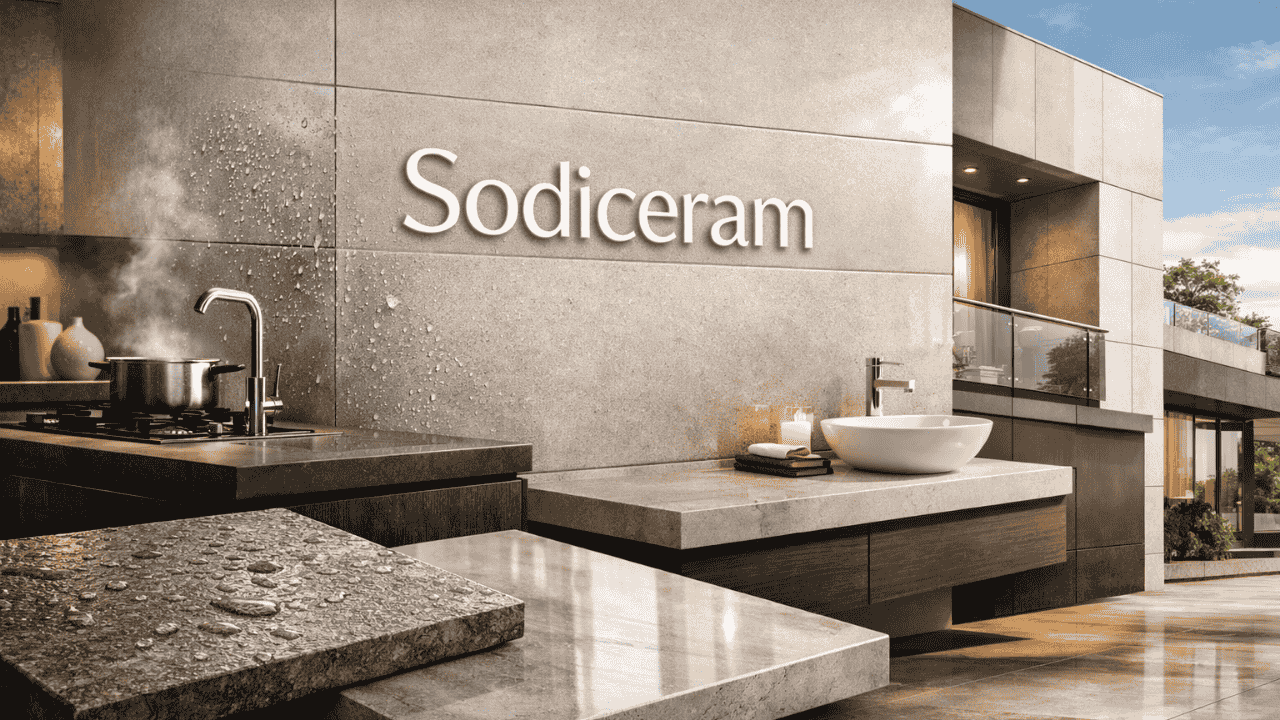
- Kitchen surfaces that resist heat and stains
- Bathroom installations where moisture resistance is essential
Industrial use is also growing as companies look for materials that can withstand harsh conditions. Sodiceram is used in environments where heat and chemicals are constant factors. Its reliability in these situations makes it a valuable option. As industries evolve, the demand for materials like Sodiceram continues to increase.
Comparing Sodiceram with traditional ceramic materials
When comparing Sodiceram to traditional ceramics, the differences become clear in performance and longevity. Standard ceramics are often more porous, which makes them vulnerable to moisture and staining. Sodiceram, on the other hand, has a denser structure that reduces these risks. This difference alone can significantly impact how long a material lasts. It also affects maintenance requirements over time.
Another key difference is strength under pressure and temperature changes. Traditional ceramics can crack when exposed to sudden temperature shifts. Sodiceram is designed to handle these conditions more effectively. This makes it suitable for environments where stability is critical. In many cases, Sodiceram outperforms older materials in both residential and industrial settings.
Advantages and limitations of Sodiceram
Like any material, Sodiceram comes with both benefits and limitations that should be considered. Its advantages make it attractive, but understanding its drawbacks helps in making informed decisions. Most of its strengths are tied to durability and performance. However, there are factors that may affect its adoption in some projects.
Advantages of Sodiceram include:
- Long-lasting performance with minimal wear
- Resistance to environmental damage
- Low maintenance requirements
- Wide range of design possibilities
Limitations to consider:
- Higher initial cost compared to standard materials
- Requires specialized manufacturing processes
- Not yet widely available in all markets
These points highlight why Sodiceram is often seen as a premium option. While the upfront cost may be higher, the long-term value can offset this investment. Choosing Sodiceram depends on the specific needs of the project. For those prioritizing durability, it can be a strong choice.
Why Sodiceram is gaining attention in modern design
Design trends are shifting toward materials that combine function with aesthetics, and Sodiceram fits that demand. It can replicate the look of natural materials like stone or wood while offering better performance. This makes it appealing for both designers and homeowners. The ability to maintain its appearance over time adds to its value. Sodiceram allows for creative freedom without compromising durability.
Another reason for its growing popularity is sustainability. Materials that last longer reduce waste and the need for replacements. Sodiceram contributes to this by offering extended usability. Its resistance to damage means fewer repairs and replacements are needed. This aligns with the increasing focus on long-term efficiency in construction and design.
Who should consider using Sodiceram
Sodiceram is not limited to one type of user, which makes it widely applicable. Homeowners looking for durable surfaces can benefit from its properties. It is especially useful in areas exposed to moisture, heat, or heavy use. Designers and architects can also use Sodiceram to create long-lasting visual elements. Its adaptability makes it suitable for both small and large projects.
Businesses and industrial users can also take advantage of what Sodiceram offers. Environments that require resistance to heat or chemicals can benefit from its structure. It provides a level of reliability that reduces maintenance concerns. As awareness grows, more industries are likely to explore its potential. Sodiceram continues to expand beyond its initial use cases.
Conclusion
Sodiceram represents a shift toward materials that are built to last and perform under pressure. Its combination of strength, resistance, and design flexibility makes it a strong alternative to traditional ceramics. While it may not yet be widely available everywhere, its advantages are clear in both residential and industrial applications. Sodiceram addresses many of the common weaknesses found in older materials, making it a practical choice for modern needs. As demand for durable and low-maintenance materials increases, Sodiceram is likely to become more prominent in the years ahead.
FAQs
- What is Sodiceram used for
Sodiceram is used in construction, interior design, and industrial applications where durability and resistance to heat or moisture are important. - Is Sodiceram better than traditional ceramic
Sodiceram generally offers better strength, lower water absorption, and higher resistance to heat compared to traditional ceramics. - Can Sodiceram be used in kitchens and bathrooms
Yes, Sodiceram is suitable for kitchens and bathrooms because it resists moisture, stains, and temperature changes. - Is Sodiceram expensive
Sodiceram usually has a higher upfront cost, but its long lifespan can make it more cost-effective over time. - Why is Sodiceram becoming popular
Sodiceram is gaining attention due to its durability, low maintenance, and ability to combine functionality with modern design.