








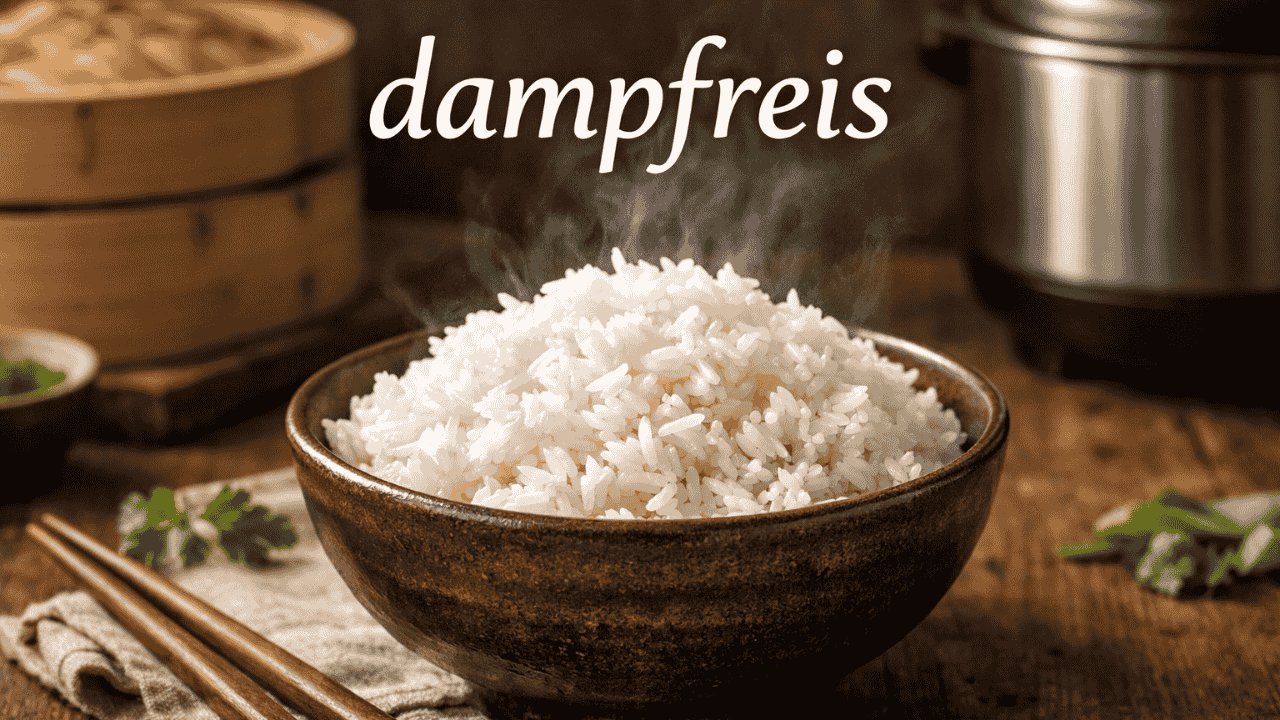
Rice is one of the most widely consumed foods on the planet. Every culture has its own way of preparing it, from boiling to frying to steaming. One cooking method that has gained attention in recent years is dampfreis. The term refers to rice that is cooked using steam rather than being fully submerged in boiling water.
The idea behind dampfreis is simple. Instead of letting rice sit in excess water, the grains are gently cooked through steam. This process allows the rice to keep its structure, resulting in light and separate grains. Many cooks prefer this method because it produces a clean texture and preserves the natural taste of rice.
In several European kitchens the word dampfreis has become a common way to describe steamed rice. While the name is German, the cooking technique itself has deep roots in Asian food traditions where steaming rice has been practiced for centuries.
understanding what dampfreis actually means
The word dampfreis comes from the German language. It combines two words:
- dampf which means steam
- reis which means rice
When combined, the meaning becomes steamed rice.
However, dampfreis is not always limited to a single definition. In food discussions, the term can describe two related ideas.
First, it may refer to rice cooked entirely by steam during the preparation process.
Second, it can also describe rice that has been pre steamed during processing before being packaged and sold. This type of rice behaves similarly to parboiled rice.
Despite these slight differences, the core concept of dampfreis remains the same. The focus is on steam as the primary cooking element rather than boiling water.
the origin and cultural background of steamed rice
The concept behind dampfreis did not originate in Europe. The method of steaming rice has been part of Asian cooking traditions for thousands of years.
Countries where steamed rice plays a central role include:
- China
- Japan
- Thailand
- Vietnam
- Korea
In many of these cultures, rice is cooked in bamboo steamers or special rice cookers designed to distribute steam evenly.
As global food culture expanded, European kitchens adopted similar methods. German cooks began using the term dampfreis to describe rice that is prepared using steam rather than boiling.
Today the idea of dampfreis appears in modern cooking guides, restaurant kitchens, and health focused food discussions.
how dampfreis cooking works
The cooking method used for dampfreis is designed to keep the rice grains intact while allowing them to cook evenly.
Instead of immersing rice in large amounts of water, the grains are exposed to steam that slowly penetrates the surface.
The process works because steam transfers heat efficiently while maintaining a gentle cooking environment. This reduces the chance of overcooking or breaking the grains.
A basic dampfreis cooking method looks like this:
- rinse the rice thoroughly to remove excess starch
- soak the rice for about 15 to 20 minutes if desired
- place the rice in a steamer or a pot with minimal water
- cover the container tightly to trap steam
- allow the rice to steam for around 20 minutes
- let the rice rest for 10 minutes before fluffing
When cooked properly, dampfreis produces rice that feels light, soft, and separate rather than sticky or clumped.
nutritional profile of dampfreis
Rice prepared using the dampfreis method retains much of its natural nutritional value. Because the grains are not submerged in large amounts of water, fewer nutrients are lost during cooking.
A typical 100 gram serving of cooked rice prepared as dampfreis contains roughly:
- calories: about 120
- carbohydrates: around 26 grams
- protein: about 2.7 grams
- fat: approximately 0.3 grams
- fiber: around 0.4 grams
- sodium: almost zero
Rice also contains small amounts of important nutrients such as magnesium and B vitamins.
Steaming helps maintain these nutrients because they are less likely to dissolve into excess cooking water.
health advantages of dampfreis cooking
Many people prefer dampfreis because of its simple and clean cooking process. The method offers several practical benefits.
better texture and structure
One of the biggest advantages of dampfreis is the texture it produces. The rice grains remain separate and fluffy instead of becoming mushy.
This makes the rice more appealing for dishes where presentation matters.
improved nutrient retention
Boiling rice in large quantities of water can wash away vitamins and minerals. Since dampfreis uses steam rather than excess liquid, more of the natural nutrients remain in the rice.
easier digestion
Steamed rice tends to be lighter on the stomach compared with heavy or oily rice dishes. Many people find dampfreis easier to digest.
low fat cooking method
The dampfreis technique does not require butter, oil, or additional fats. This makes it a good option for people who want simple and clean meals.
versatile use in meals
Rice cooked through dampfreis works well with many different foods, including:
- vegetable stir fries
- grilled chicken
- curry dishes
- seafood meals
- rice bowls
The neutral flavor of dampfreis allows it to complement both mild and strongly flavored dishes.
dampfreis compared to other rice cooking styles
Rice can be prepared in many ways, and each method creates a different texture and taste. Understanding these differences helps explain why dampfreis stands out.
Boiled rice
Rice is cooked in a pot of water until soft. Some nutrients may be lost when the water is drained.
Parboiled rice
The rice is partially steamed before milling. This process changes the grain structure and makes the rice firmer.
White rice
The outer layers of the grain are removed during processing. This type cooks quickly but contains fewer nutrients than whole grain rice.
Brown rice
The grain keeps its bran layer. Brown rice contains more fiber but requires longer cooking time.
Sticky rice
This rice variety contains high starch levels that create a glue like texture when cooked.
Dampfreis differs because it focuses on the cooking technique rather than the type of rice. Many varieties of rice can be prepared using the dampfreis method.
best rice varieties for dampfreis
Although many types of rice can be steamed, some varieties perform especially well when prepared as dampfreis.
Basmati rice
This long grain rice produces very fluffy results and separates easily after steaming.
Jasmine rice
Known for its subtle aroma, jasmine rice becomes soft and fragrant when cooked using dampfreis.
Medium grain rice
This rice absorbs steam well and works nicely in rice bowls.
Brown rice
It can also be prepared using dampfreis, though it requires a longer steaming time.
Choosing the right rice helps improve the overall result when cooking dampfreis.
common mistakes when preparing dampfreis
Even though the dampfreis method is simple, small mistakes can affect the final texture.
Common issues include:
not rinsing the rice
Extra starch can cause the rice to clump together.
too much water
Excess moisture can turn dampfreis into mushy rice.
lifting the lid too often
Steam escapes and interrupts the cooking process.
skipping the resting period
Allowing the rice to rest helps distribute moisture evenly.
Avoiding these mistakes helps ensure consistent dampfreis every time.
why many chefs prefer dampfreis
Professional kitchens often choose steaming methods because they offer better control over the final texture of rice.
With dampfreis, chefs can achieve several advantages.
- evenly cooked grains
- clean presentation
- consistent flavor
- minimal sticking
Restaurants that serve rice based dishes frequently rely on steam cooking to maintain quality and consistency.
This explains why dampfreis style rice appears in many modern kitchens.
conclusion
Rice has been prepared in countless ways throughout history, but the concept behind dampfreis highlights the simplicity and effectiveness of steam cooking. By using steam instead of excess water, dampfreis creates rice that is light, fluffy, and naturally flavorful.
The method also supports better nutrient retention and produces rice that pairs well with a wide range of dishes. From traditional Asian cooking techniques to modern kitchens around the world, dampfreis continues to gain attention for its clean cooking style and reliable results.
Anyone who enjoys rice can benefit from learning how dampfreis works. With the right technique and a little practice, it becomes easy to prepare perfectly steamed rice that enhances everyday meals.
frequently asked questions
what does dampfreis mean
Dampfreis is a German term that translates to steamed rice. It describes rice cooked using steam instead of boiling water.
is dampfreis healthier than boiled rice
Dampfreis can retain slightly more nutrients because fewer vitamins are lost during cooking compared with boiling rice in excess water.
what type of rice is best for dampfreis
Long grain rice such as basmati and jasmine works very well for dampfreis because the grains remain fluffy and separate.
how long does it take to cook dampfreis
Most rice varieties require around 20 minutes of steaming followed by a short resting period before serving.
can brown rice be cooked using dampfreis
Yes, brown rice can be prepared as dampfreis, but it usually needs a longer steaming time compared with white rice.